
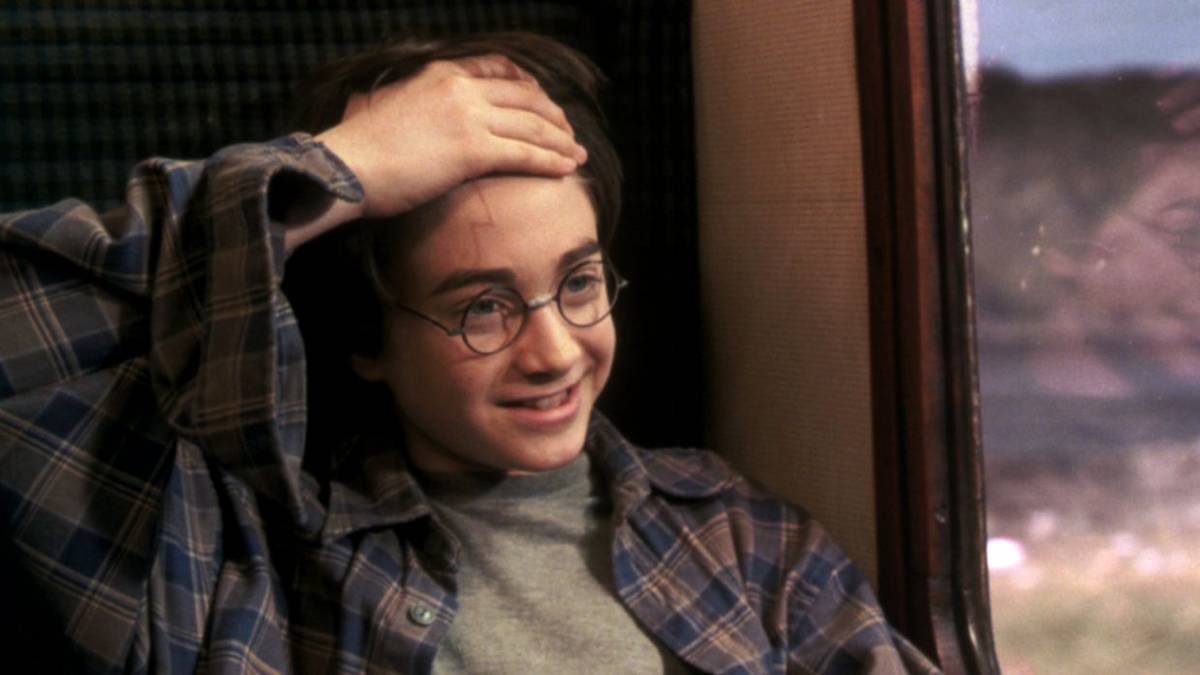
The Harry Potter films ask audiences to overlook plenty of strange things. Wizards apparently have little interest in email, ballpoint pens remain suspiciously nonexistent, and somehow nobody questions children disappearing through a brick wall at King’s Cross Station.
But there is one Hogwarts tradition that becomes harder to ignore the more you think about it: the House Point system.
At first, awarding points to students for good behavior, academic achievements, and Quidditch victories sounds like a perfectly reasonable way to encourage teamwork. Each Hogwarts house competes throughout the school year, with points tracked by enormous magical hourglasses in the Great Hall.
The problem? The rules are basically nonexistent.
Teachers and prefects can award or remove points whenever they want, and the decisions often seem completely arbitrary. Snape can punish Gryffindor students for relatively minor behavior, while students who cause much more serious problems somehow escape without comparable consequences.
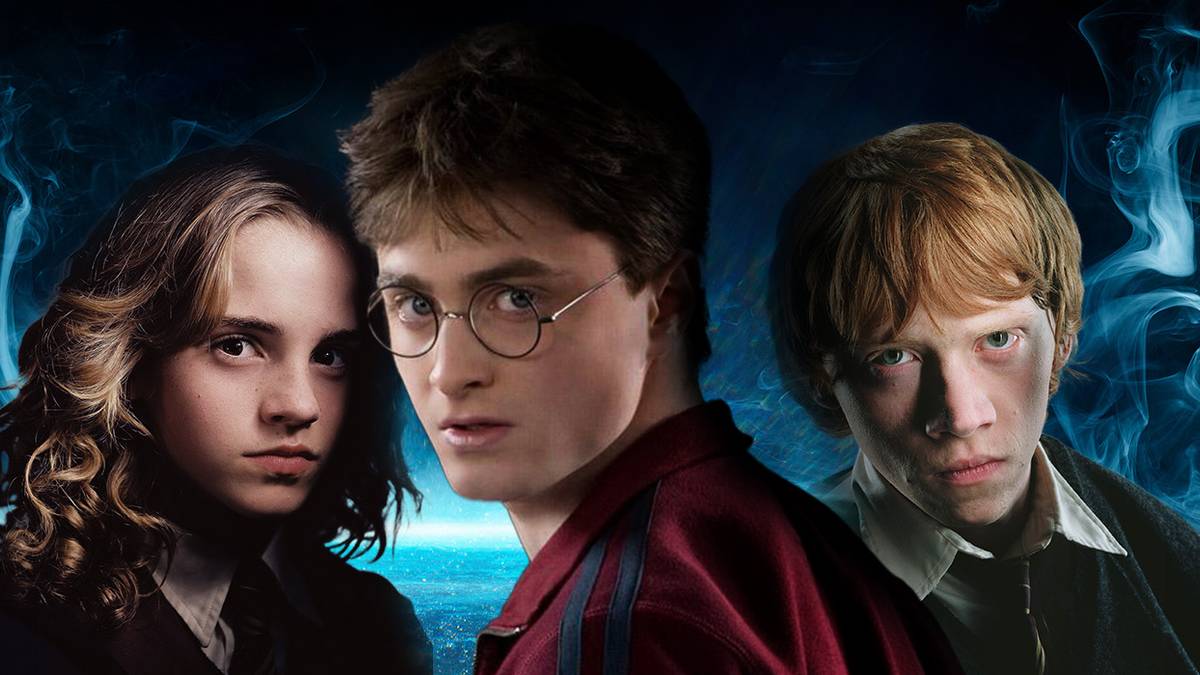
Hermione’s experience makes the system look even more ridiculous. She loses 50 points for being out of bed at night, yet receives only a handful of points for helping deal with a dangerous troll.
That raises an obvious question: who decided these numbers?
And then there’s the favoritism.
The first House Cup ending is perhaps the biggest example. Slytherin appears to have won, only for Dumbledore to suddenly award a huge number of points to Gryffindor at the last possible moment. Neville then receives additional points for standing up to his friends, despite the fact that almost nobody else witnessed what happened.
So apparently Hogwarts has two systems: the official House Point system and the “Dumbledore decides what happens at the end” system.
The solution, however, may have been sitting inside Hogwarts all along.
The Sorting Hat.
After sorting the incoming students at the beginning of each school year, the Hat spends most of its time doing absolutely nothing. Why not give it another responsibility?
The Sorting Hat could become the impartial judge of House Points.
Teachers could recommend points for good behavior, academic achievements, bravery, or other accomplishments, while also submitting reasons for deductions. The Hat could then evaluate each case according to consistent rules rather than allowing individual teachers to hand out points based on personal preferences.
That would immediately solve one of Hogwarts’ biggest problems: bias.
Snape couldn't arbitrarily punish Gryffindor because he disliked Harry. Dumbledore couldn't suddenly manufacture a last-minute comeback. And students would actually know that their achievements were being judged according to consistent standards.
Even better, the Hat already possesses magical intelligence and has been trusted with one of Hogwarts’ most important decisions for generations.
Of course, there is one tiny problem: the Sorting Hat itself isn't exactly famous for being unbiased. But compared with letting Snape control the scoreboard, it might still be an improvement.
The House Cup could actually become meaningful if Hogwarts stopped treating its point system like a magical version of “Whose Line Is It Anyway?”—where everything is made up and the points apparently don't matter.
For a school that teaches children how to perform magic, Hogwarts really should be able to figure out how to run a fair competition.
Unexpected Team-Up: Prince William and Emma Watson Unite for Change
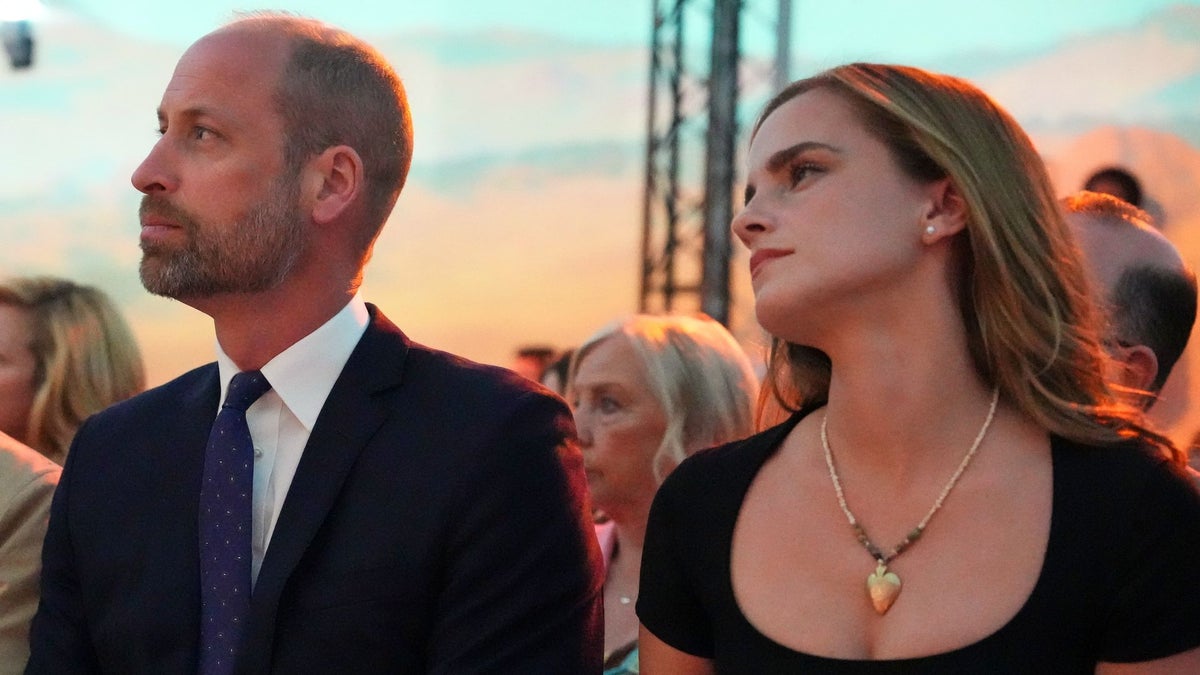
Prince William had plenty to celebrate this weekend, but his latest public appearance quickly turned heads for a very different reason. After marking his 44th birthday and Father's Day with his family, the future king returned to royal duties—and made a surprisingly personal confession about the emotional toll of climate change.
William joined Hollywood stars Emma Watson and Benedict Cumberbatch at a United for Wildlife forum in London, an initiative he launched with the Royal Foundation in 2013. The organization works around the world to combat wildlife trafficking, environmental crime, and the destruction of endangered species.
But it was William's candid admission about his own fears that stole the spotlight.

The Prince of Wales revealed that climate change has caused him "sleepless nights," admitting he has struggled with anxiety about what the future could look like. Yet instead of allowing those fears to overwhelm him, William said seeing real progress through conservation efforts has helped keep his environmental anxiety under control.
He also delivered a powerful message to business leaders, urging them to become the kind of leaders they admired when they were children. With technology and innovation transforming the world at an incredible pace, William challenged CEOs to use their influence to create meaningful change.
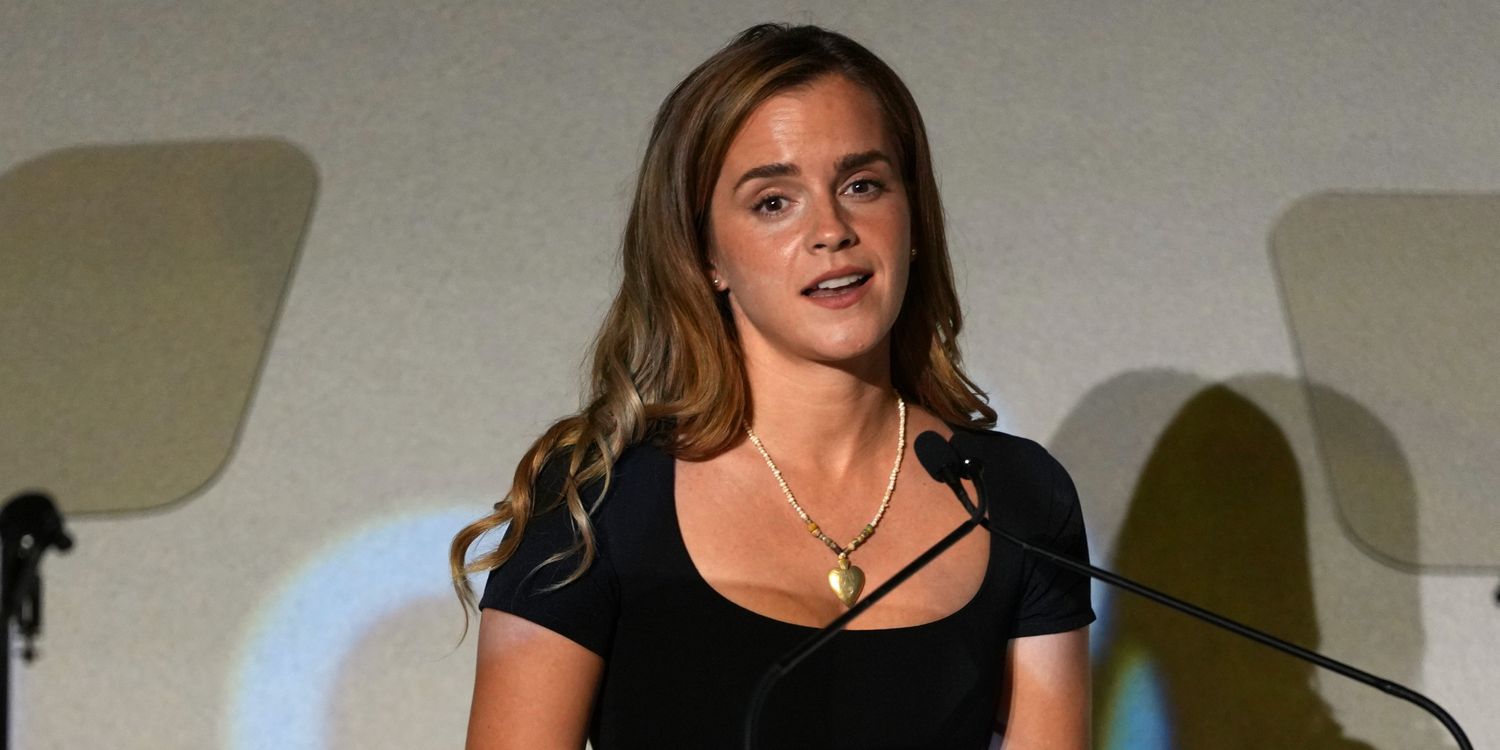
The event launched London Climate Action Week, with more royal appearances expected, including the Earthshot Prize assembly.

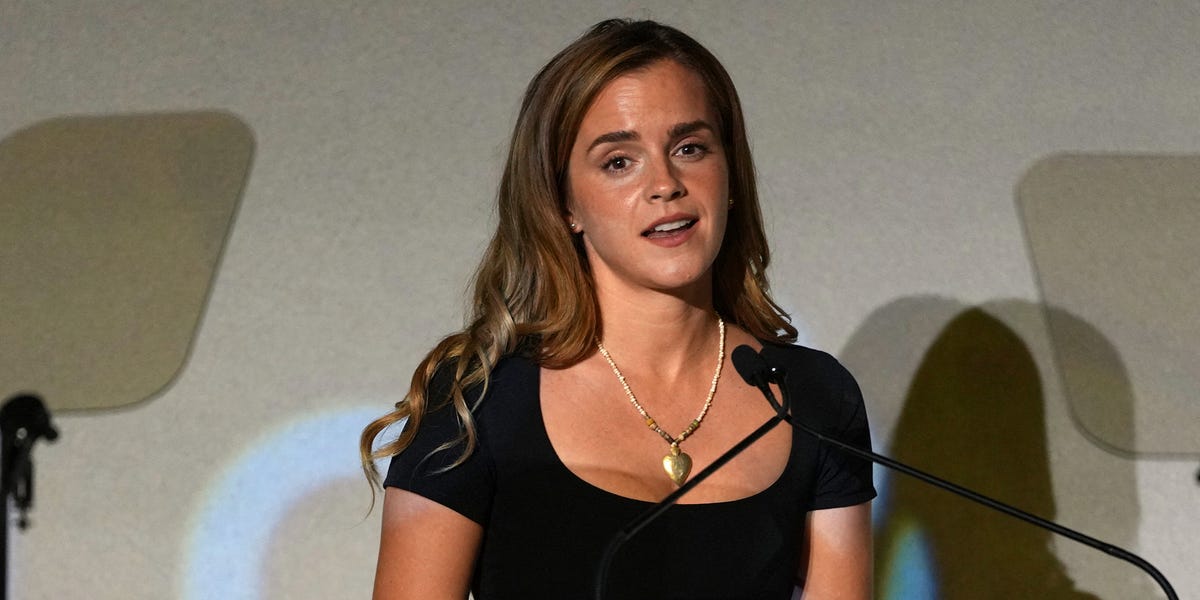
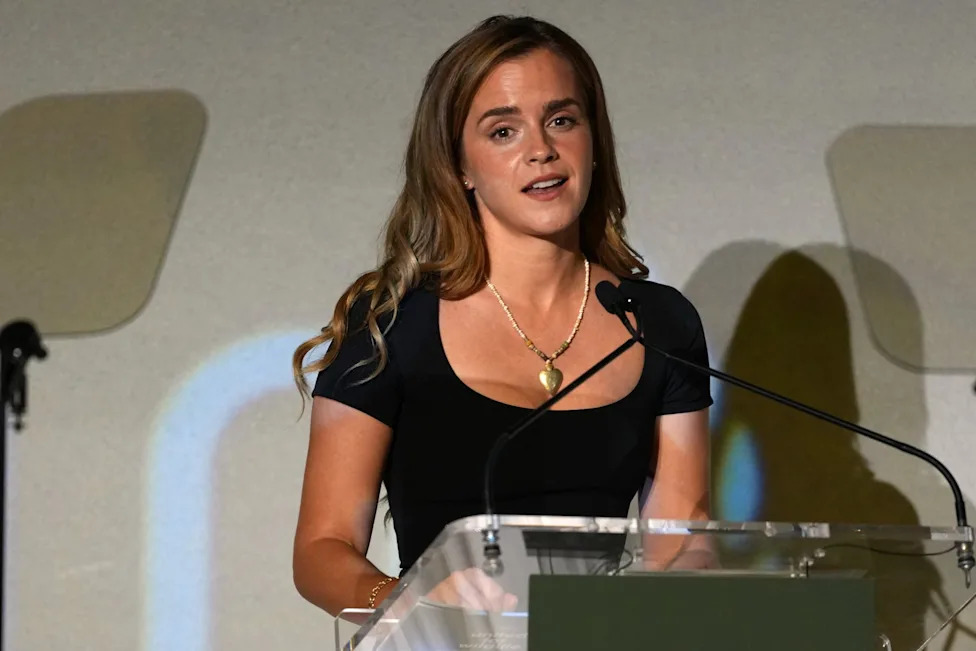
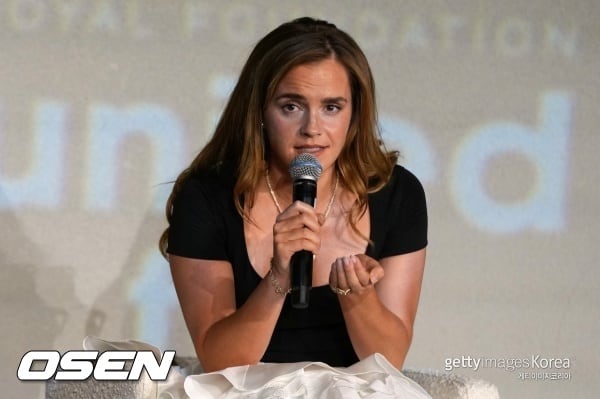
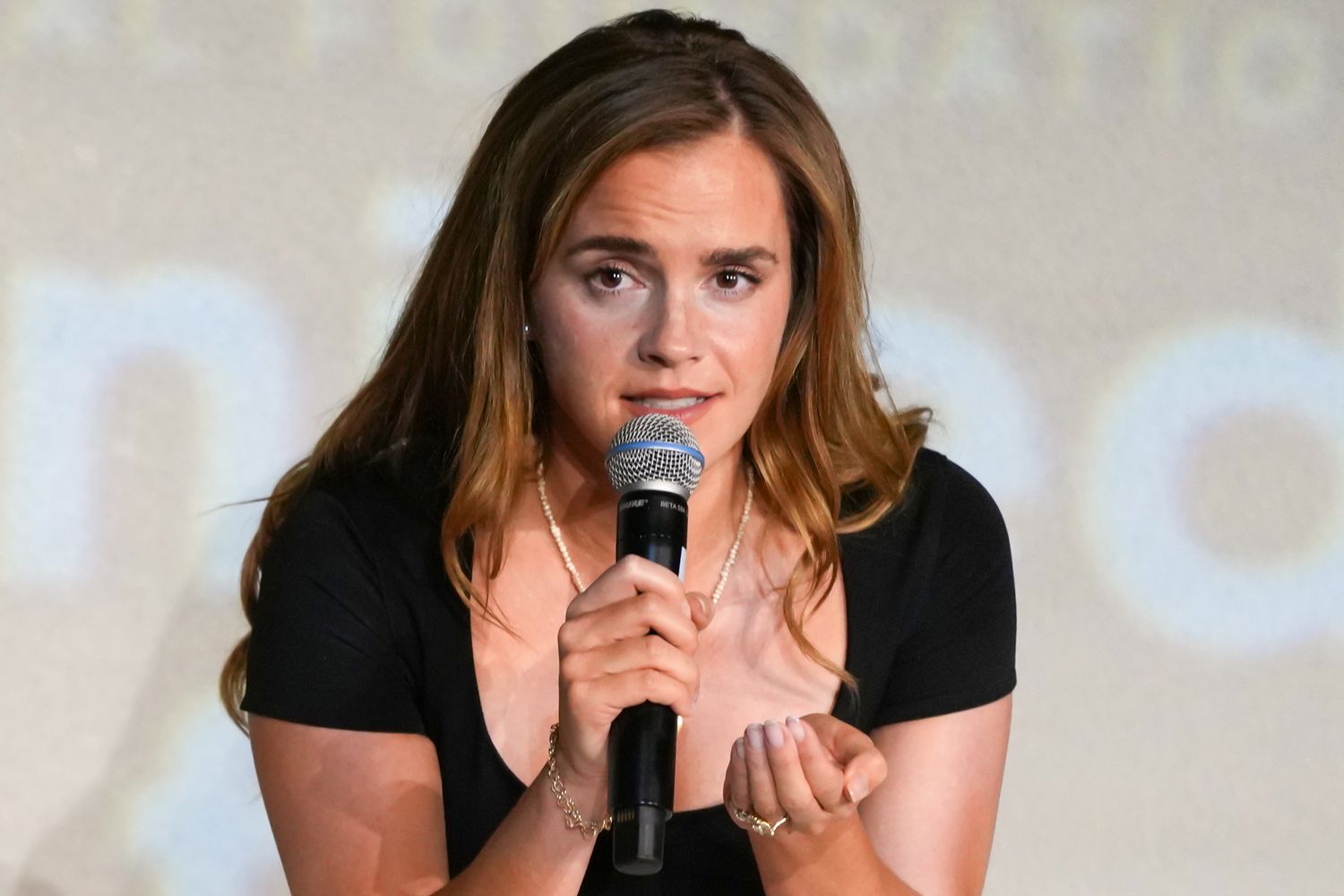
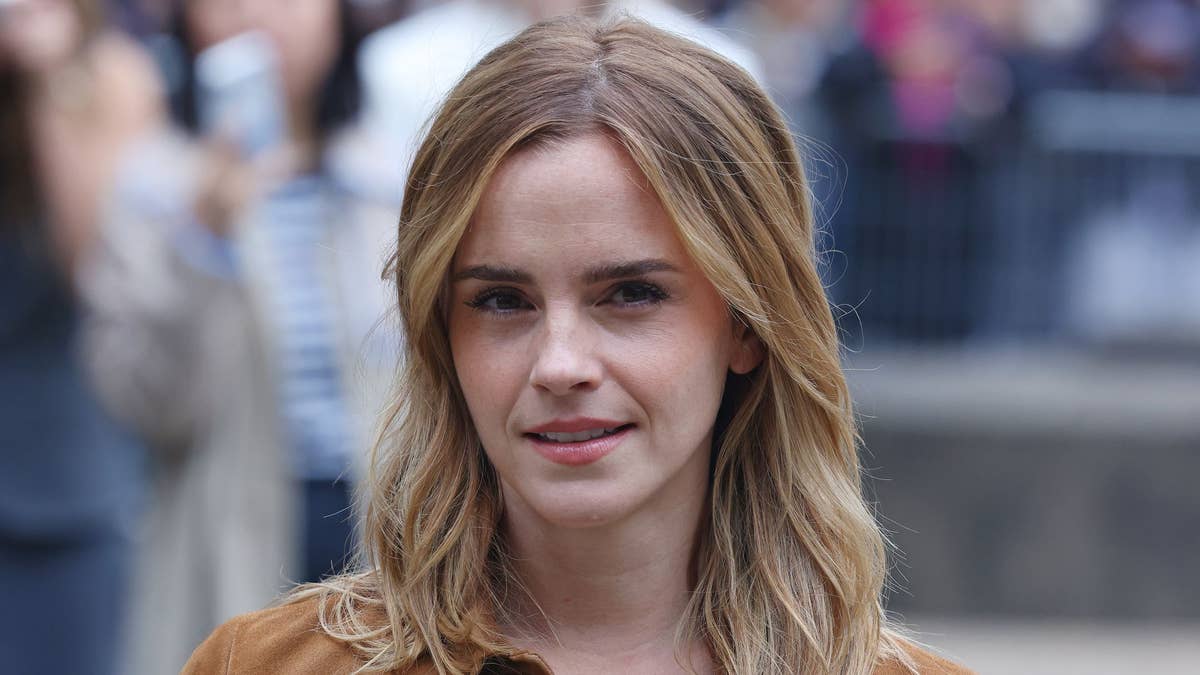
Emma Watson also delivered a surprising revelation of her own. The Harry Potter star highlighted the fashion industry's enormous environmental impact, pointing out that it produces more emissions than aviation and ranks behind only oil among major polluting industries.
Watson, who is also pursuing a doctorate in philosophy at Oxford, shared a hilarious story about mistakenly believing paparazzi were following her. After spotting photographers with telephoto lenses, she arranged a distraction and escaped through another exit. The twist? They weren't photographing her at all. They were waiting to capture a red kite.
Meanwhile, Benedict Cumberbatch praised William as "a great guy" and urged businesses and individuals to recognize that they can still make a difference, even when global environmental challenges appear overwhelming.

With William, Watson, and Cumberbatch joining forces on the issue, the London forum delivered a clear message: the fight against environmental destruction is becoming impossible for the world's biggest names to ignore.
Be the first to comment on this article!