
Some coming-of-age movies entertain you for two hours and disappear from your memory. Others somehow stay with you for years, speaking directly to the parts of growing up that are difficult to explain. The Perks of Being a Wallflower belongs firmly in the second category—and more than a decade after its release, it remains one of the most emotionally powerful teen dramas of its generation.
The coming-of-age genre exploded in popularity during the 1980s with unforgettable films such as Stand by Me, The Breakfast Club, and Pretty in Pink. Their success proved that stories about friendship, identity, loneliness, and growing up could connect with audiences on a deeply personal level. Decades later, Hollywood continues to return to the formula, but standing out has become increasingly difficult.
That’s exactly what made The Perks of Being a Wallflower so special.
Released in 2012 and adapted from Stephen Chbosky’s bestselling novel, the movie follows Charlie, played by Logan Lerman, as he begins his freshman year of high school. But unlike many teenage protagonists, Charlie isn’t simply nervous about fitting in. He has recently returned from a mental health hospital after dealing with painful trauma, leaving him struggling to connect with the people around him.
Charlie spends much of his time alone, writing letters to an unnamed pen pal about his loneliness and his desperate desire to feel like he belongs somewhere. Even though his English teacher, Mr. Anderson (Paul Rudd), recognizes his intelligence, Charlie remains painfully isolated.
Everything changes when he attends a football game alone.
There, he meets Patrick (Ezra Miller) and Sam (Emma Watson), two unconventional students who quickly bring him into their close-knit group. For the first time, Charlie isn’t simply watching other teenagers experience life—he becomes part of it.
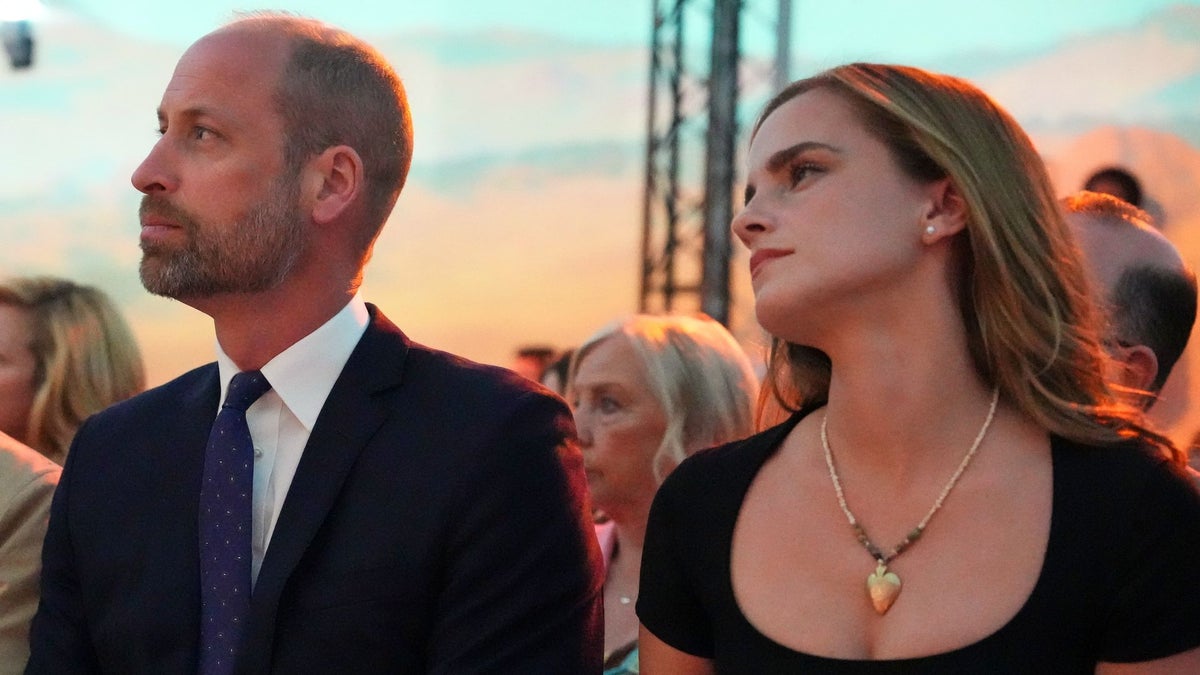
Through his new friendships, Charlie discovers parties, music, romance, laughter, and the feeling of being genuinely accepted. For someone who has spent so long feeling invisible, these experiences become life-changing.
But beneath Charlie’s newfound happiness lies something far darker.
As the story progresses, the trauma he has buried for years begins resurfacing, forcing Charlie—and the audience—to confront painful truths about his past. This is where the movie separates itself from countless other high-school dramas.
The Perks of Being a Wallflower doesn’t simply use teenage struggles as entertainment. It treats loneliness, trauma, mental health, friendship, and isolation with unusual honesty and sensitivity.
Stephen Chbosky, who wrote both the novel and screenplay, has said that young people still regularly reach out to him because the story deeply affected them. That lasting connection explains why the film has continued to resonate long after its theatrical release.
What initially looks like another high-school coming-of-age story ultimately becomes something much more powerful: a reminder that even people who feel completely invisible can find somewhere they belong.
And that may be exactly why The Perks of Being a Wallflower has earned its reputation as a modern classic—and why its emotional impact still hits just as hard today.
Unexpected Team-Up: Prince William and Emma Watson Unite for Change
Prince William had plenty to celebrate this weekend, but his latest public appearance quickly turned heads for a very different reason. After marking his 44th birthday and Father's Day with his family, the future king returned to royal duties—and made a surprisingly personal confession about the emotional toll of climate change.
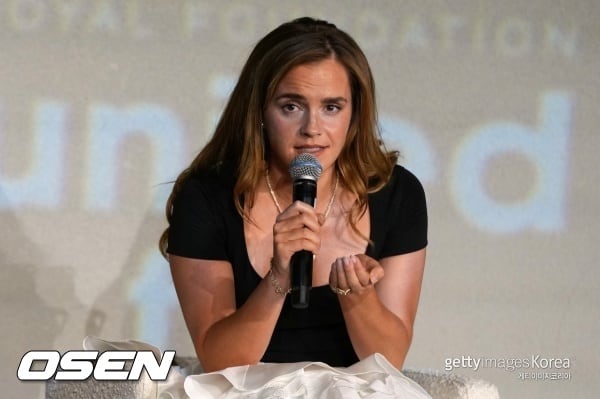
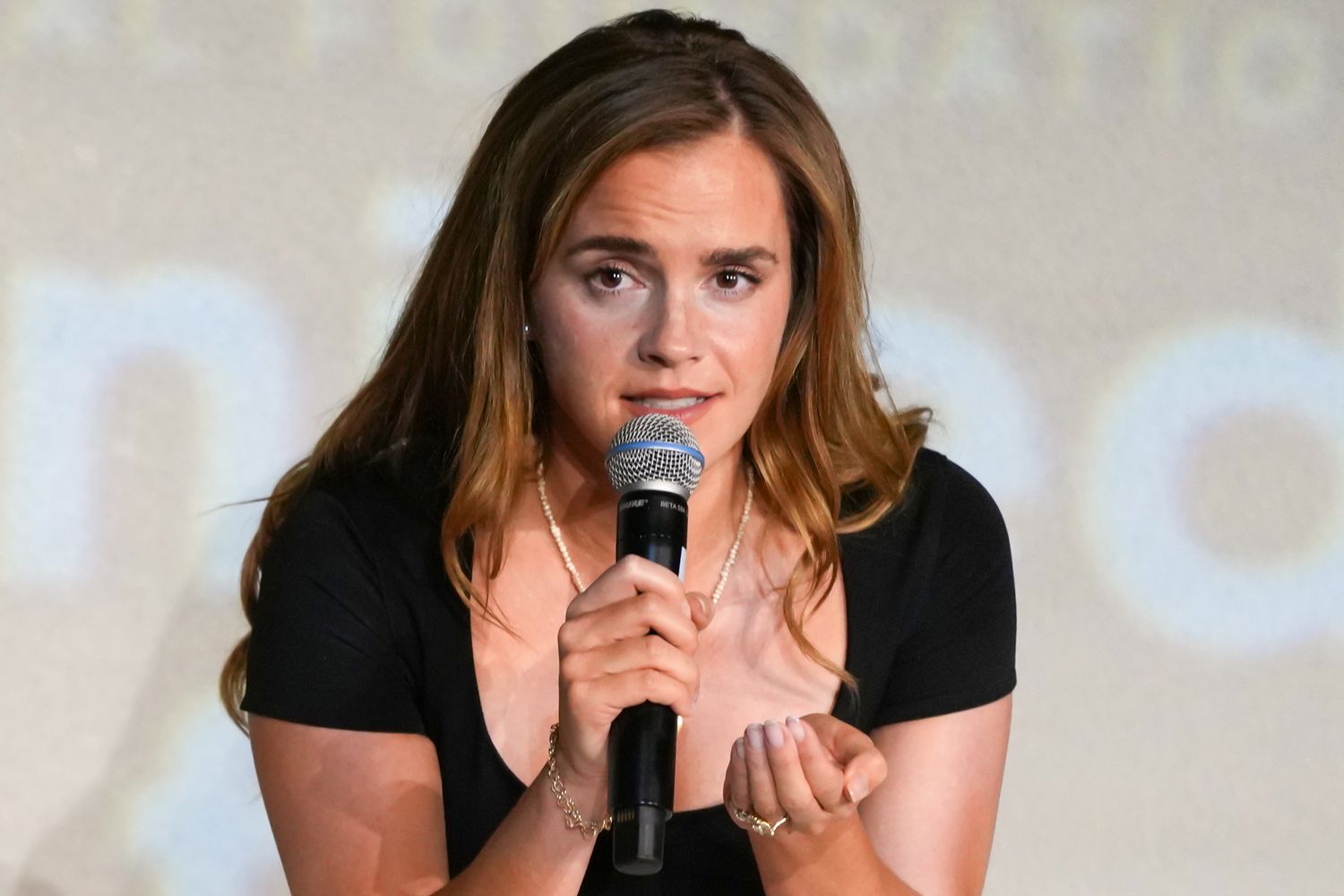
William joined Hollywood stars Emma Watson and Benedict Cumberbatch at a United for Wildlife forum in London, an initiative he launched with the Royal Foundation in 2013. The organization works around the world to combat wildlife trafficking, environmental crime, and the destruction of endangered species.
But it was William's candid admission about his own fears that stole the spotlight.

The Prince of Wales revealed that climate change has caused him "sleepless nights," admitting he has struggled with anxiety about what the future could look like. Yet instead of allowing those fears to overwhelm him, William said seeing real progress through conservation efforts has helped keep his environmental anxiety under control.
He also delivered a powerful message to business leaders, urging them to become the kind of leaders they admired when they were children. With technology and innovation transforming the world at an incredible pace, William challenged CEOs to use their influence to create meaningful change.
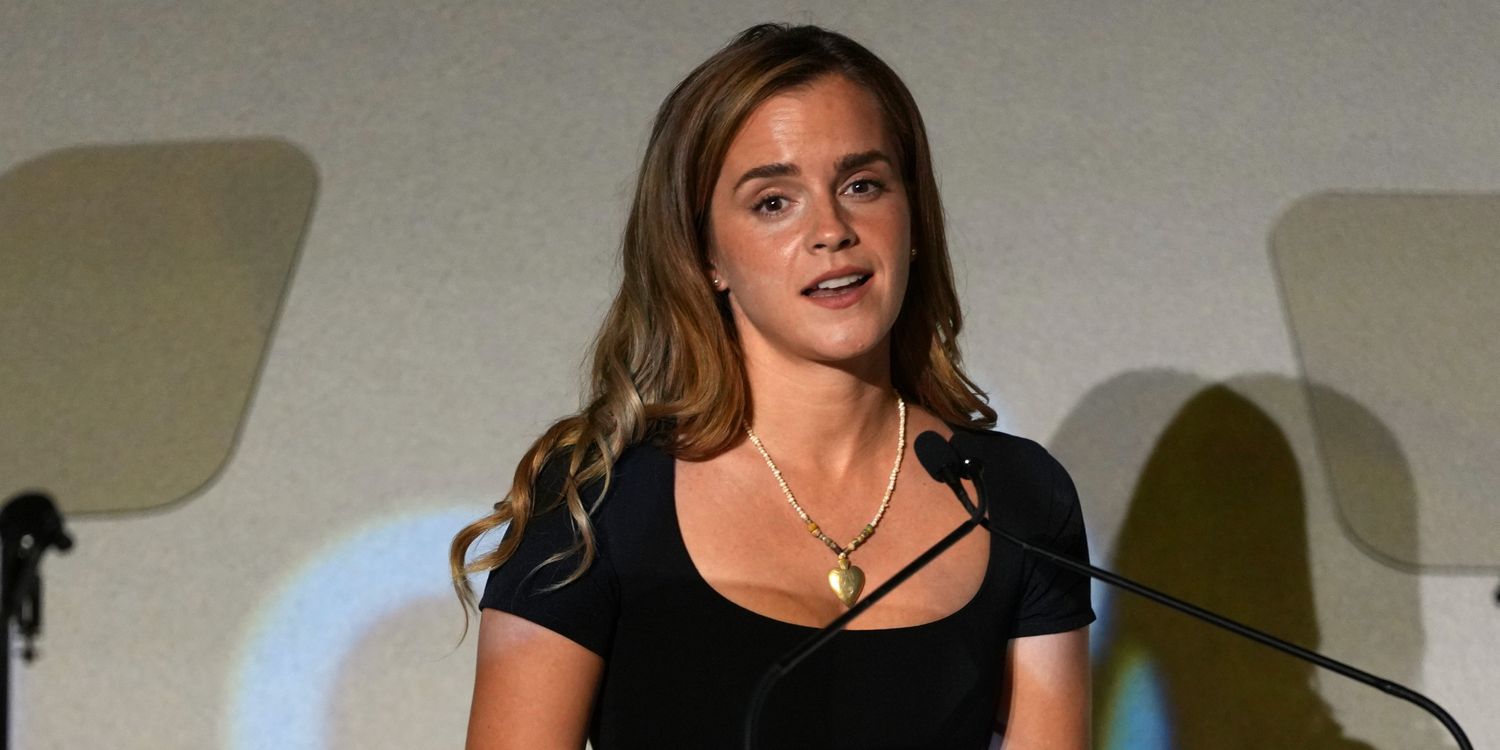
The event launched London Climate Action Week, with more royal appearances expected, including the Earthshot Prize assembly.

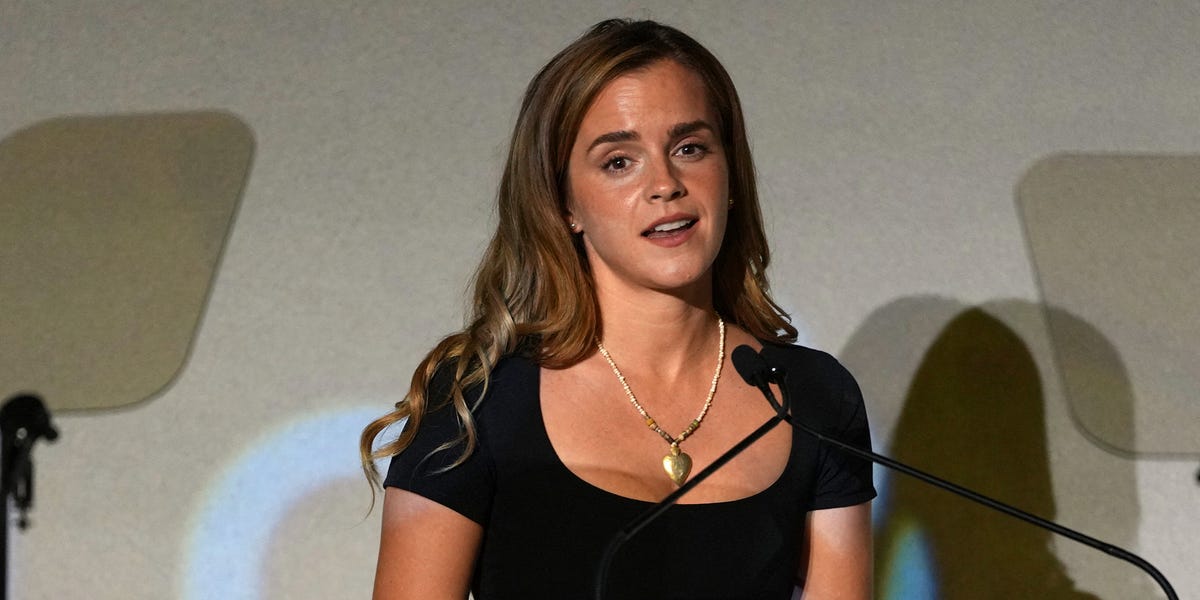
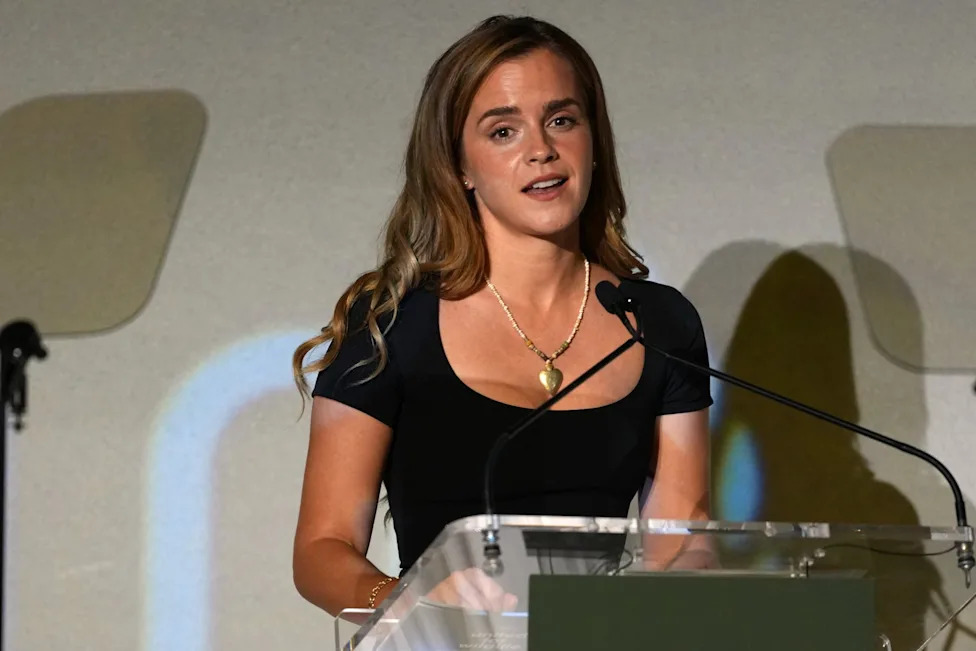
Emma Watson also delivered a surprising revelation of her own. The Harry Potter star highlighted the fashion industry's enormous environmental impact, pointing out that it produces more emissions than aviation and ranks behind only oil among major polluting industries.
Watson, who is also pursuing a doctorate in philosophy at Oxford, shared a hilarious story about mistakenly believing paparazzi were following her. After spotting photographers with telephoto lenses, she arranged a distraction and escaped through another exit. The twist? They weren't photographing her at all. They were waiting to capture a red kite.
Meanwhile, Benedict Cumberbatch praised William as "a great guy" and urged businesses and individuals to recognize that they can still make a difference, even when global environmental challenges appear overwhelming.

With William, Watson, and Cumberbatch joining forces on the issue, the London forum delivered a clear message: the fight against environmental destruction is becoming impossible for the world's biggest names to ignore.

Be the first to comment on this article!