
HBO’s Harry Potter Reboot Has One Major Opportunity: Fixing Ginny Weasley
The upcoming Harry Potter series from HBO has already generated plenty of debate, from questions about its creative direction to concerns that Hollywood is relying too heavily on familiar franchises. But the television format also gives the reboot an opportunity the original films never had: more time to develop characters and relationships that were underused on screen.
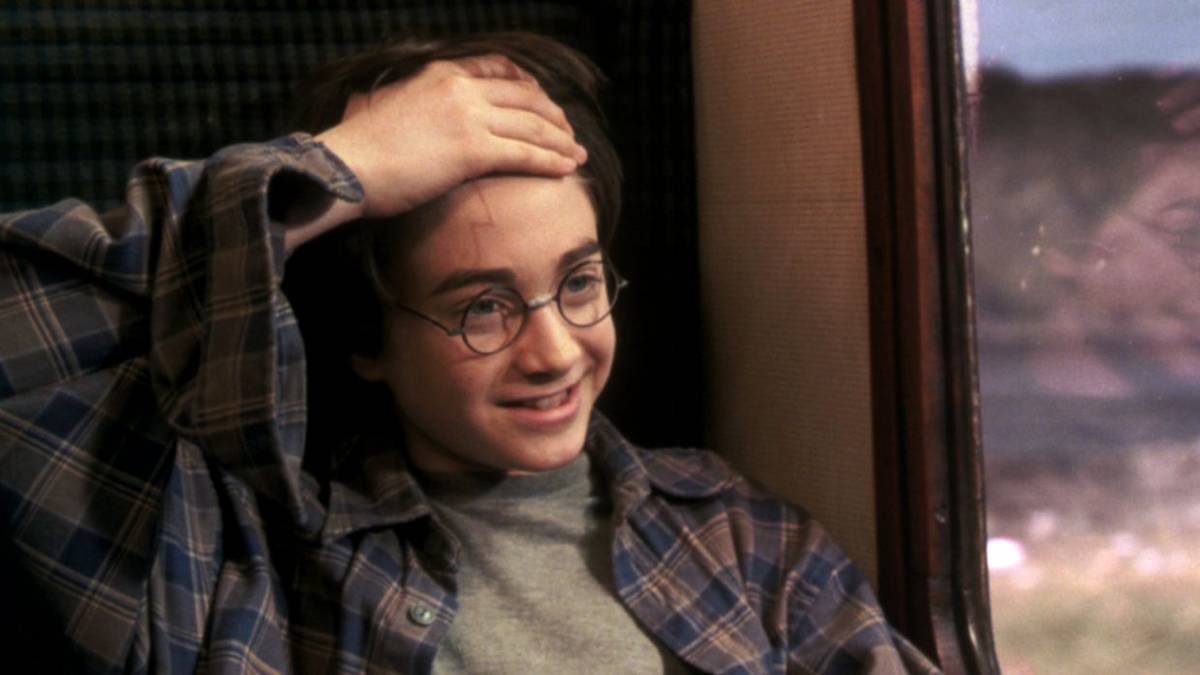
One of the clearest examples is Ginny Weasley, whose character was significantly more developed in the books than in the films. At the same time, the movies unintentionally created a noticeable romantic chemistry between Harry Potter and Hermione Granger, making Harry’s eventual relationship with Ginny feel less convincing.
Ginny Was Far More Important in the Books
From her earliest appearances, Ginny gradually develops into a confident, capable witch. Although she begins the story as a shy girl who idolizes Harry, the books allow her personality to evolve naturally.
She eventually becomes an accomplished Quidditch player and an important participant in the fight against Voldemort. She even comes up with the name “Dumbledore’s Army” in Harry Potter and the Order of the Phoenix, deliberately choosing a name designed to irritate Cornelius Fudge.
The movies, however, largely removed these elements.
As a result, Ginny often feels like a peripheral character rather than someone who has been growing alongside Harry and the rest of the cast. This becomes particularly problematic once the story turns toward Harry and Ginny's romance.
Harry and Ginny's Romance Needed More Development
The books establish Harry's feelings for Ginny gradually. By the time their relationship becomes serious, Harry is deeply attracted to her, and his feelings for Ginny become one of the emotional motivations behind his determination to defeat Voldemort.
The films did not have enough time to establish that progression.
Ginny receives significantly more attention in Half-Blood Prince, but the relationship can feel abrupt because audiences haven't been given enough meaningful interactions between the two beforehand. Some of their romantic scenes consequently come across as awkward rather than emotionally earned.
The same problem continues into Deathly Hallows: Part 1, where Ginny's limited presence makes Harry's relationship with her feel distant despite its importance to the story.
The Movies Accidentally Strengthened Harry and Hermione
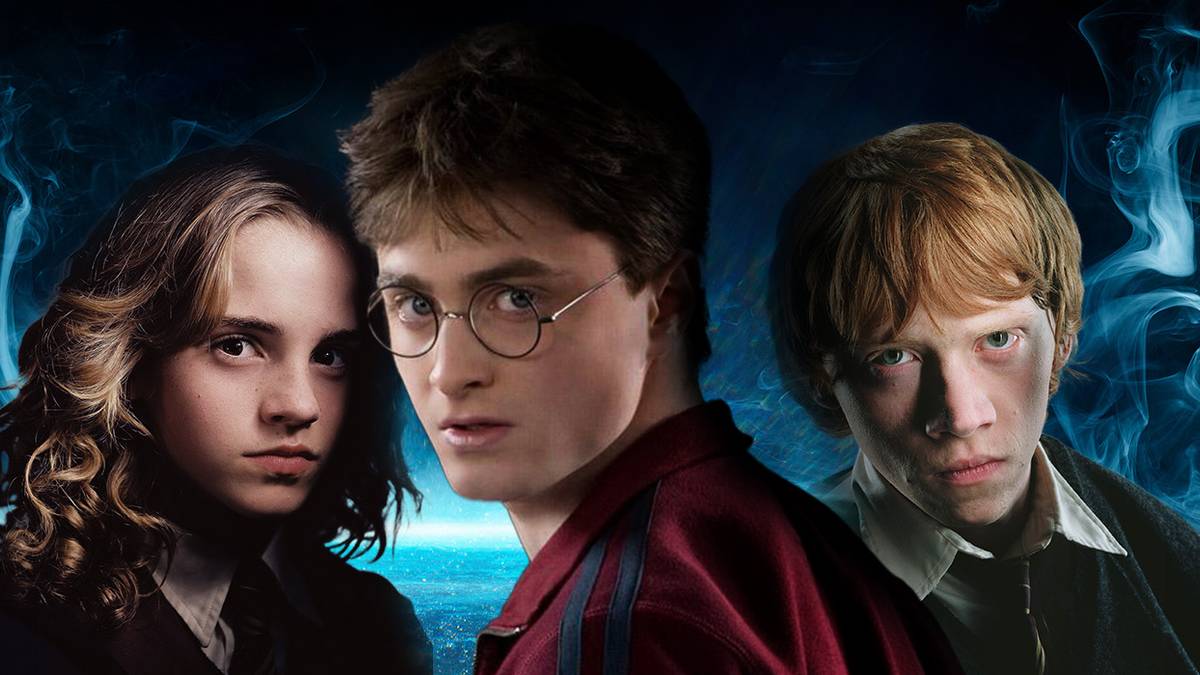
Perhaps the biggest issue is that the films simultaneously weakened Harry and Ginny while giving Harry and Hermione some unusually intimate moments.
This becomes particularly noticeable in Deathly Hallows: Part 1.
When Ron leaves Harry and Hermione, the movie places greater emphasis on his insecurity about the relationship between his two friends. That changes the emotional nature of his departure, making it feel more like jealousy than the combination of despair, frustration, and the psychological pressure of carrying a Horcrux that drives him in the book.
The movie's decision to have Harry and Hermione dance together after Ron leaves is another example. The scene can certainly be interpreted as two friends trying to comfort one another, but because the films had done so little to establish Harry and Ginny's relationship, the moment creates an unintended romantic tension.
The Horcrux vision takes that even further, showing Harry and Hermione in a provocative romantic scenario that isn't presented in the same way in the original novel.
HBO Has More Time to Get It Right
This is where the television format could become a major advantage.
Rather than compressing an entire book into a two-to-three-hour movie, the HBO series can spend considerably more time developing secondary characters and relationships.
Ginny can be introduced as more than simply Ron's younger sister. The series can show her becoming a talented Quidditch player, developing her confidence, participating in Dumbledore's Army, and gradually becoming someone Harry genuinely admires.
Most importantly, Harry and Ginny's relationship can be built over multiple seasons instead of being rushed toward the end of the story.
That would also allow the series to preserve the friendship between Harry, Ron, and Hermione without creating unnecessary romantic ambiguity. Ron's emotional struggles during the Horcrux hunt could instead focus more heavily on the psychological exhaustion and hopelessness caused by the war.
Ultimately, this is one of the biggest opportunities HBO's Harry Potter reboot has. The original films already demonstrated that the story works on screen. The new series can go further by giving the characters—and especially Ginny—the development that the movies simply didn't have enough time to provide.
If HBO gets that balance right, Harry and Ginny's eventual relationship could feel much more natural, while the friendship between Harry, Ron, and Hermione could remain the emotional center of the story.
Unexpected Team-Up: Prince William and Emma Watson Unite for Change
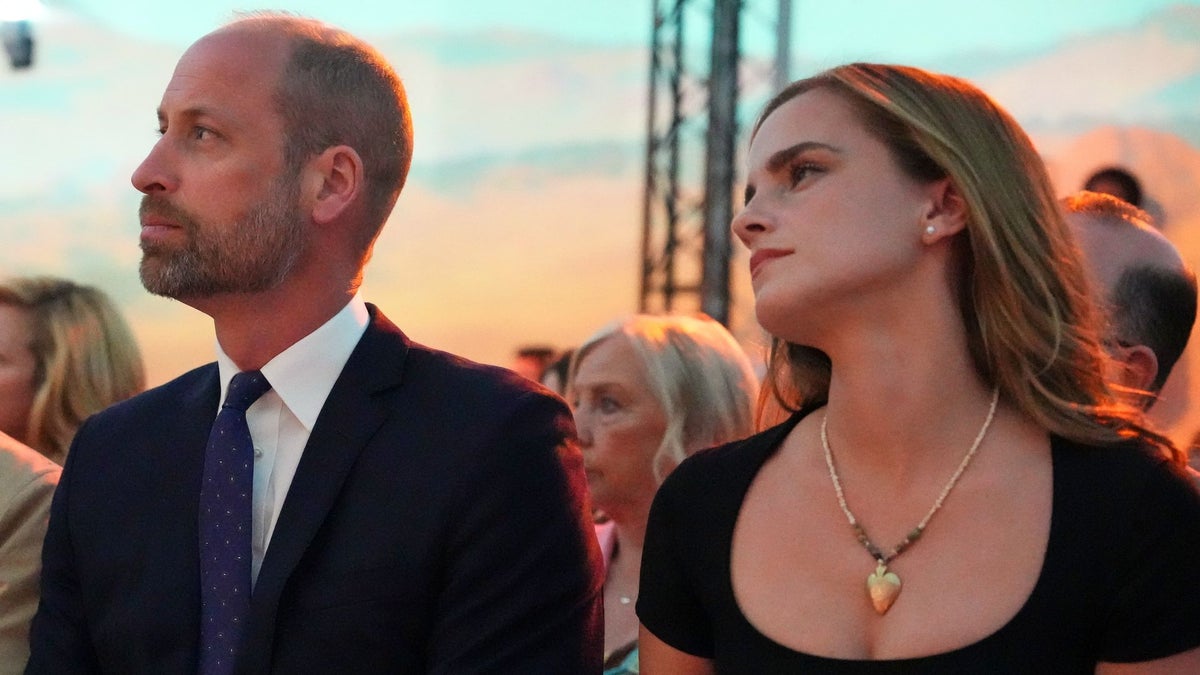
Prince William had plenty to celebrate this weekend, but his latest public appearance quickly turned heads for a very different reason. After marking his 44th birthday and Father's Day with his family, the future king returned to royal duties—and made a surprisingly personal confession about the emotional toll of climate change.
William joined Hollywood stars Emma Watson and Benedict Cumberbatch at a United for Wildlife forum in London, an initiative he launched with the Royal Foundation in 2013. The organization works around the world to combat wildlife trafficking, environmental crime, and the destruction of endangered species.
But it was William's candid admission about his own fears that stole the spotlight.

The Prince of Wales revealed that climate change has caused him "sleepless nights," admitting he has struggled with anxiety about what the future could look like. Yet instead of allowing those fears to overwhelm him, William said seeing real progress through conservation efforts has helped keep his environmental anxiety under control.
He also delivered a powerful message to business leaders, urging them to become the kind of leaders they admired when they were children. With technology and innovation transforming the world at an incredible pace, William challenged CEOs to use their influence to create meaningful change.
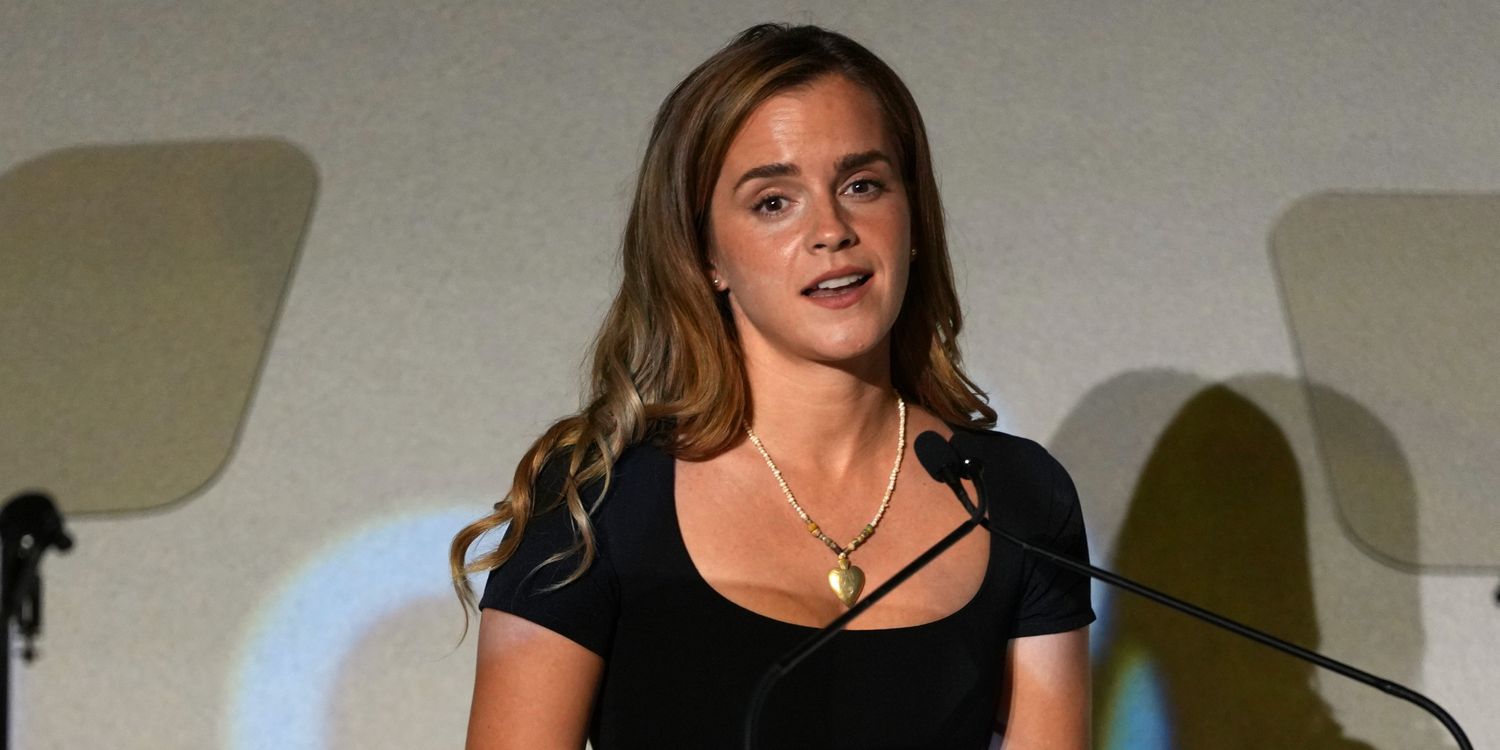
The event launched London Climate Action Week, with more royal appearances expected, including the Earthshot Prize assembly.

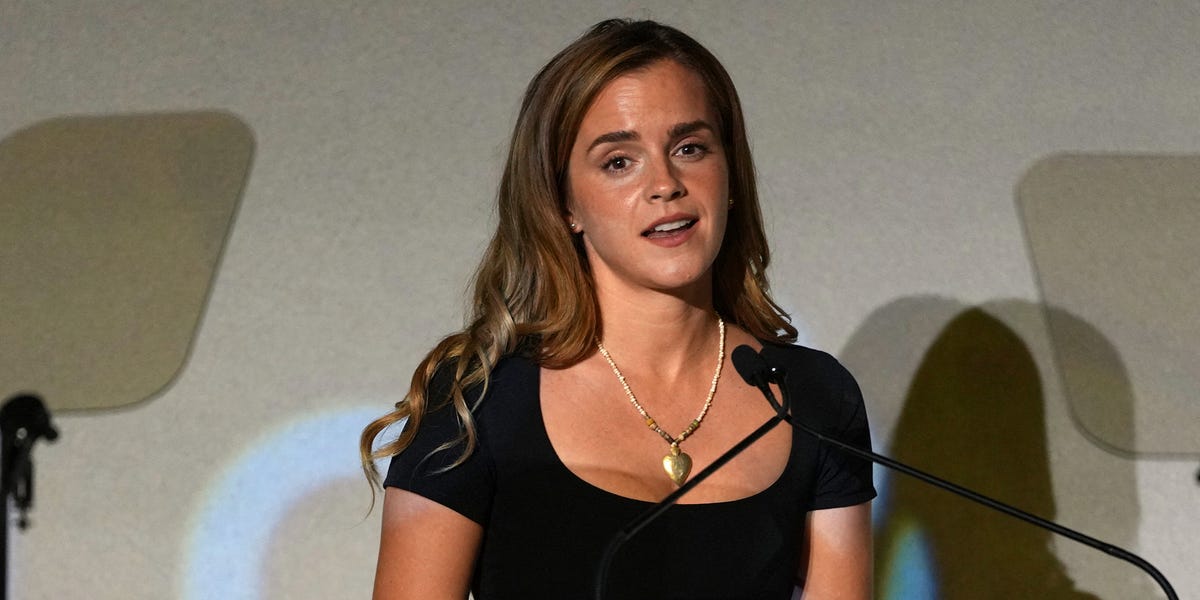
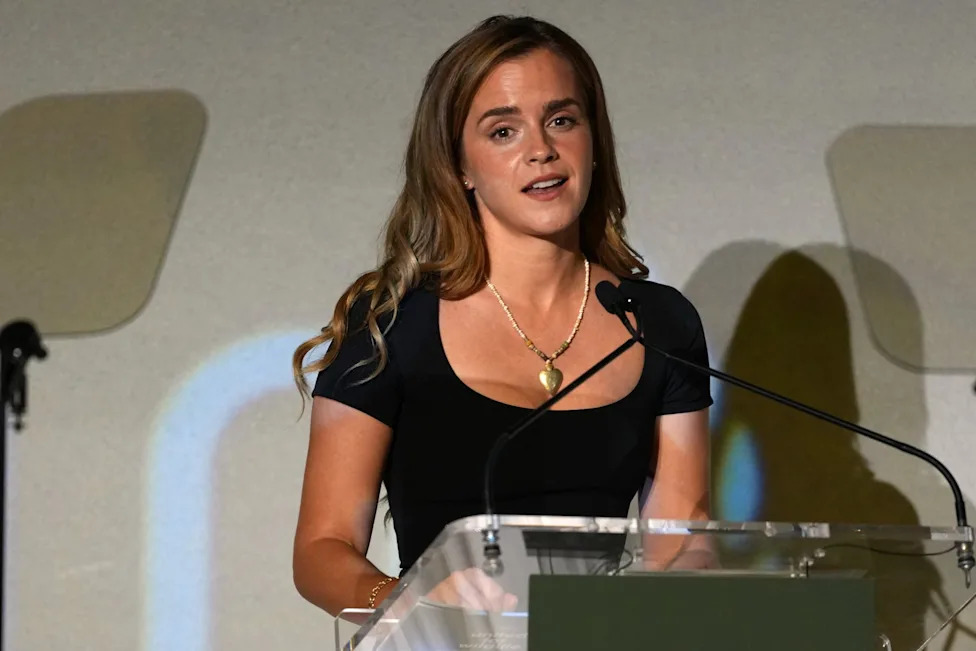
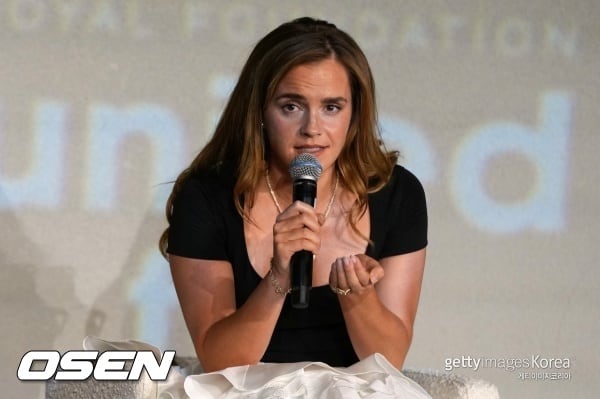
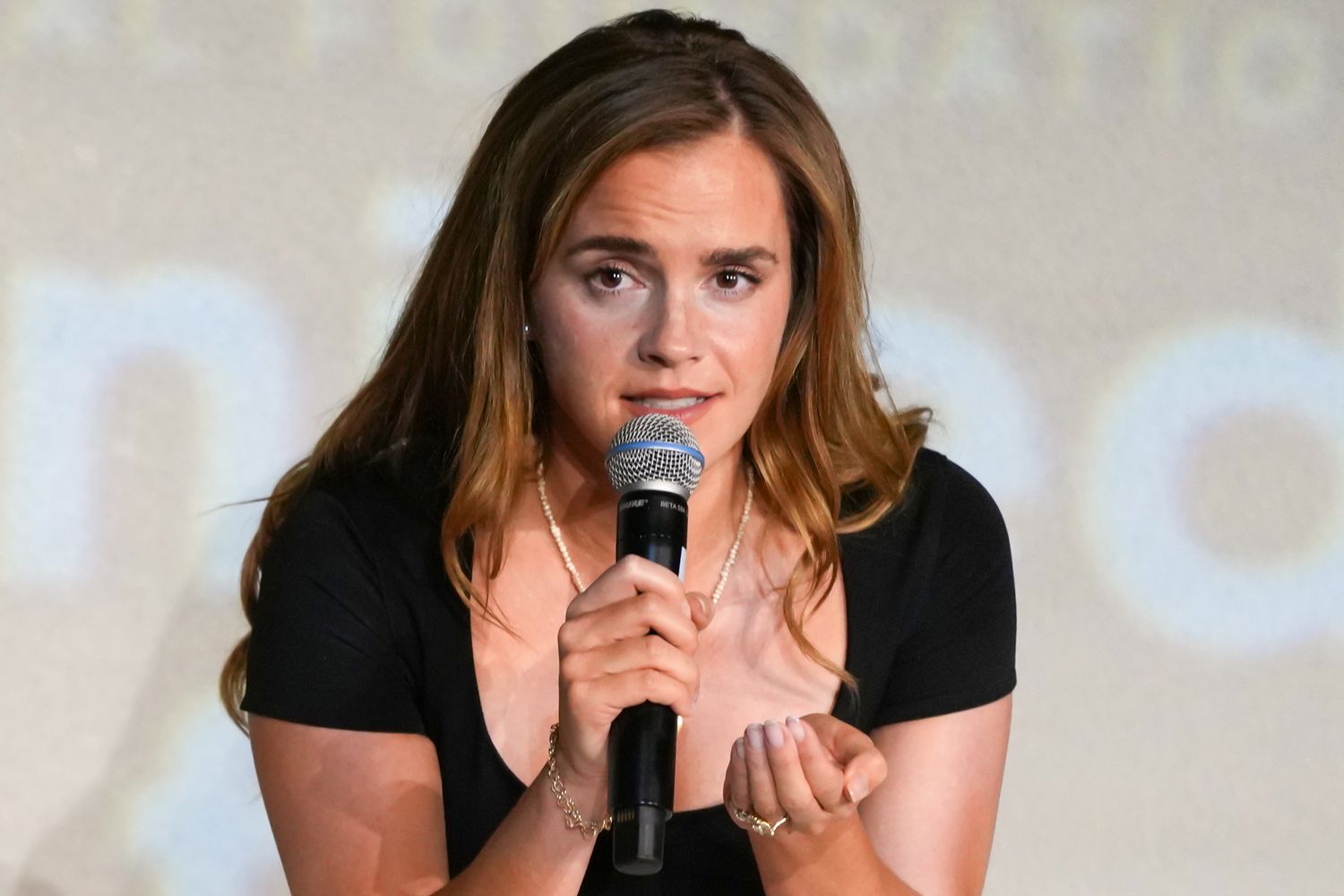
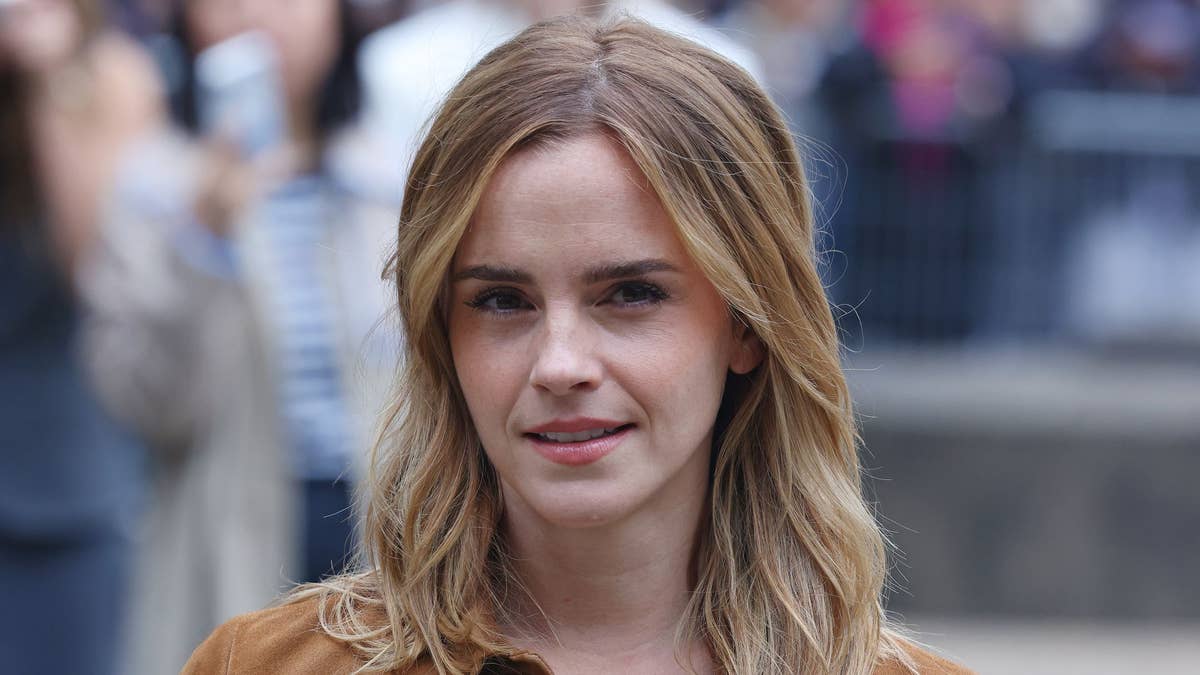
Emma Watson also delivered a surprising revelation of her own. The Harry Potter star highlighted the fashion industry's enormous environmental impact, pointing out that it produces more emissions than aviation and ranks behind only oil among major polluting industries.
Watson, who is also pursuing a doctorate in philosophy at Oxford, shared a hilarious story about mistakenly believing paparazzi were following her. After spotting photographers with telephoto lenses, she arranged a distraction and escaped through another exit. The twist? They weren't photographing her at all. They were waiting to capture a red kite.
Meanwhile, Benedict Cumberbatch praised William as "a great guy" and urged businesses and individuals to recognize that they can still make a difference, even when global environmental challenges appear overwhelming.

With William, Watson, and Cumberbatch joining forces on the issue, the London forum delivered a clear message: the fight against environmental destruction is becoming impossible for the world's biggest names to ignore.
Be the first to comment on this article!