
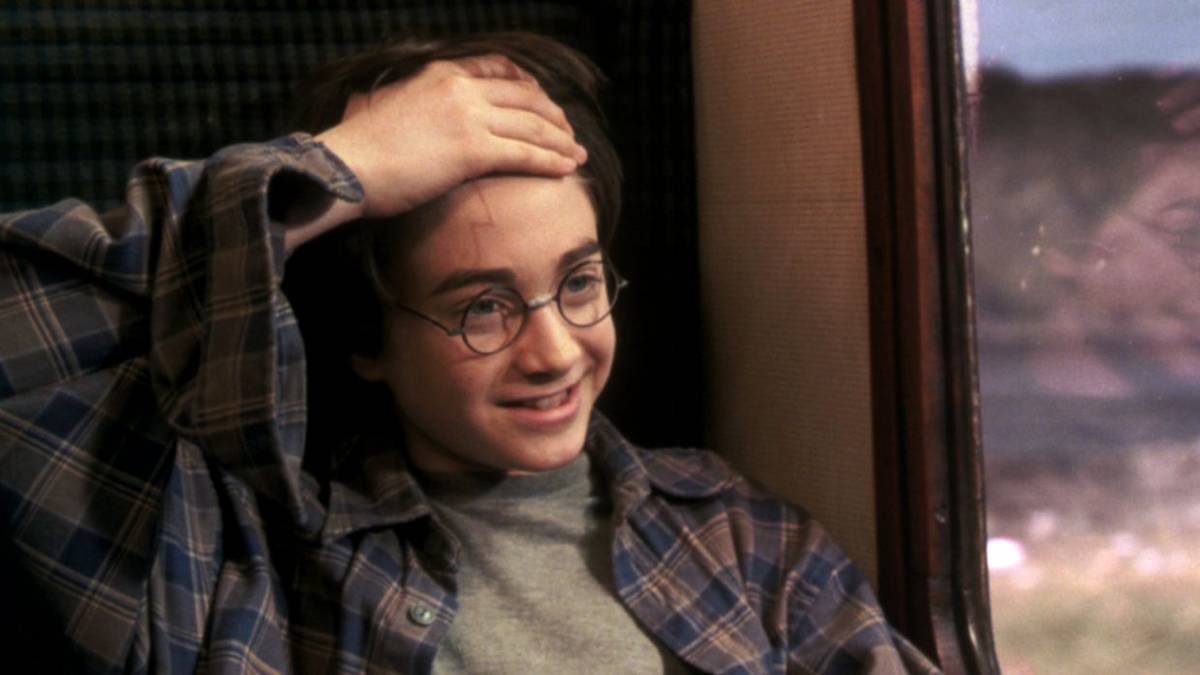
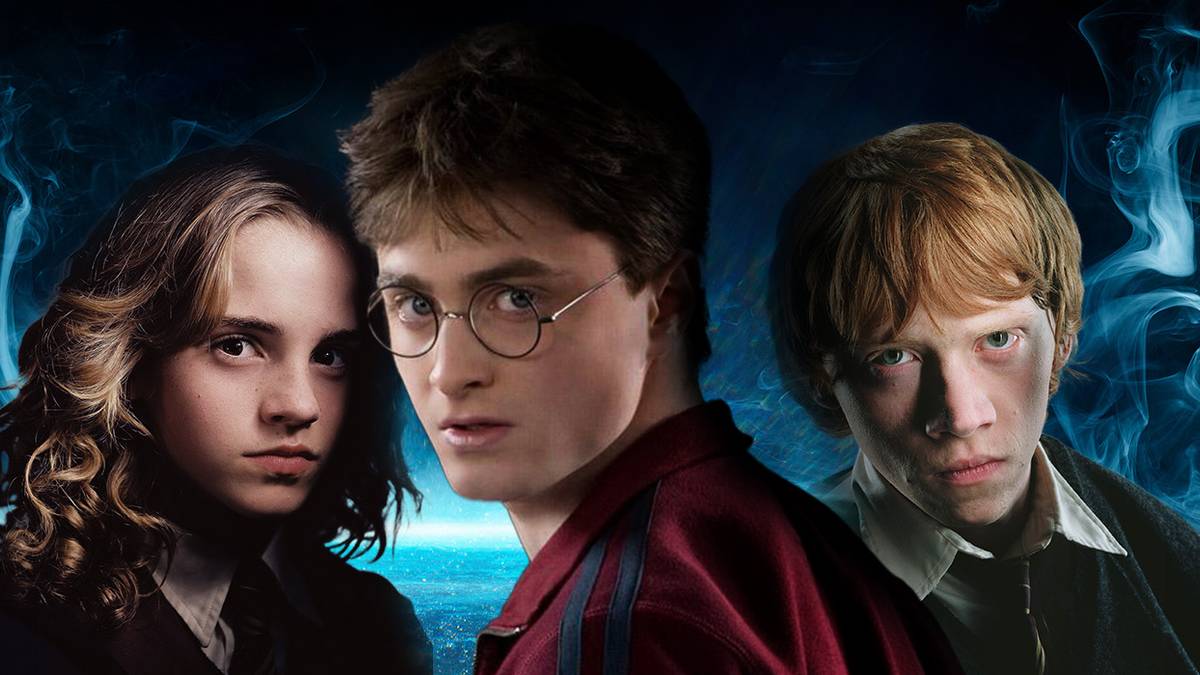
Harry Potter and the Prisoner of Azkaban is widely considered one of the greatest films in the entire franchise, but even this fan-favorite has some seriously questionable moments.
Alfonso Cuarón’s 2004 classic gave the wizarding world a darker, more mature atmosphere, introduced deeper magic and raised the stakes for Harry, Ron and Hermione. But beneath the brilliant visuals and unforgettable performances are several plot holes and storytelling choices that become increasingly difficult to ignore.
One of the biggest problems is the almost complete absence of the Marauders’ backstory. The film introduces James Potter, Sirius Black, Remus Lupin and Peter Pettigrew without properly explaining their friendship, their illegal Animagus transformations or their role during the First Wizarding War. As a result, Harry’s emotional realization that the stag Patronus represents his father feels far less powerful than it does in the book.
Sirius Black’s character development also feels strangely rushed. After spending years in the horrifying Dementor-filled Azkaban, Sirius suddenly transforms from a terrifying fugitive into a loving father figure for Harry. The movie barely explores his trauma or his complicated history with James, making Harry’s decision to trust him feel almost too easy.
Then there is the Time-Turner.
The magical device is central to the movie, but its rules create some serious headaches. Why would such a dangerous object be given to a 13-year-old simply so Hermione could attend extra classes? The time-travel sequence also creates a complicated loop in which Harry ultimately saves himself, while Hermione appears to interfere with events involving her past self. The film never fully explains how these actions fit its own time-travel logic.
Another strange choice happens right at the beginning. Harry secretly performs magic inside his bedroom at the Dursleys’ house, despite knowing that underage magic outside Hogwarts can get him into serious trouble. The Lumos Maxima scene was created specifically for the movie and seems completely unnecessary.
Peter Pettigrew’s appearance on the Marauder’s Map creates even more questions. If Harry can see Pettigrew’s name, why didn’t Fred and George notice a mysterious adult named Peter Pettigrew living in Ron’s dormitory for years? The movie never provides a convincing explanation.
Even Lupin gets caught in the plot-hole machine. He apparently forgets to take his Wolfsbane Potion, and the movie gives little explanation for why. His transformation also appears to begin only when moonlight reaches him, creating the bizarre impression that simply avoiding the moon could delay becoming a werewolf.
And then there is the ending.
After an emotionally heavy climax involving Sirius, Pettigrew and the threat of Voldemort’s return, the film suddenly ends with Harry flying on his new Firebolt. The final frozen image of Harry’s stretched face feels almost comical, creating a bizarre tonal clash after one of the darkest endings in the series.
Prisoner of Azkaban may still be a Harry Potter masterpiece, but watching it again reveals that even the franchise’s most beloved movie has plenty of magical logic that simply doesn’t hold up.
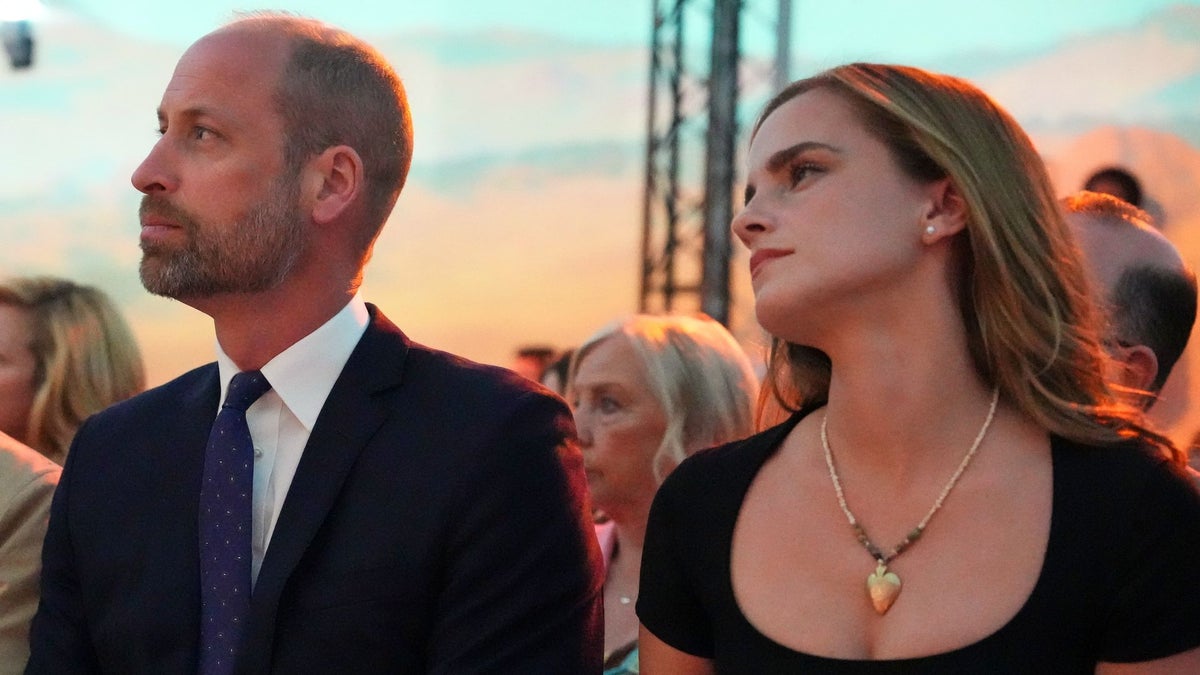
Unexpected Team-Up: Prince William and Emma Watson Unite for Change
Prince William had plenty to celebrate this weekend, but his latest public appearance quickly turned heads for a very different reason. After marking his 44th birthday and Father's Day with his family, the future king returned to royal duties—and made a surprisingly personal confession about the emotional toll of climate change.
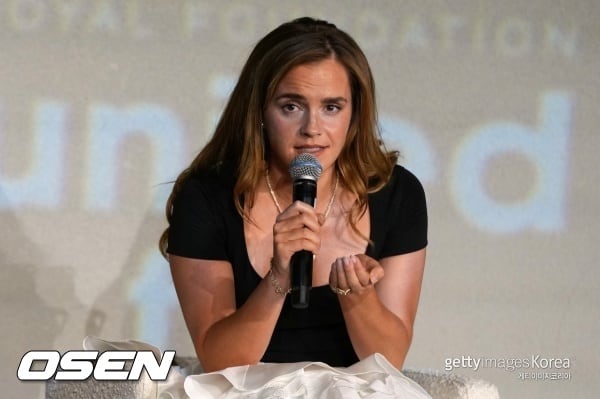
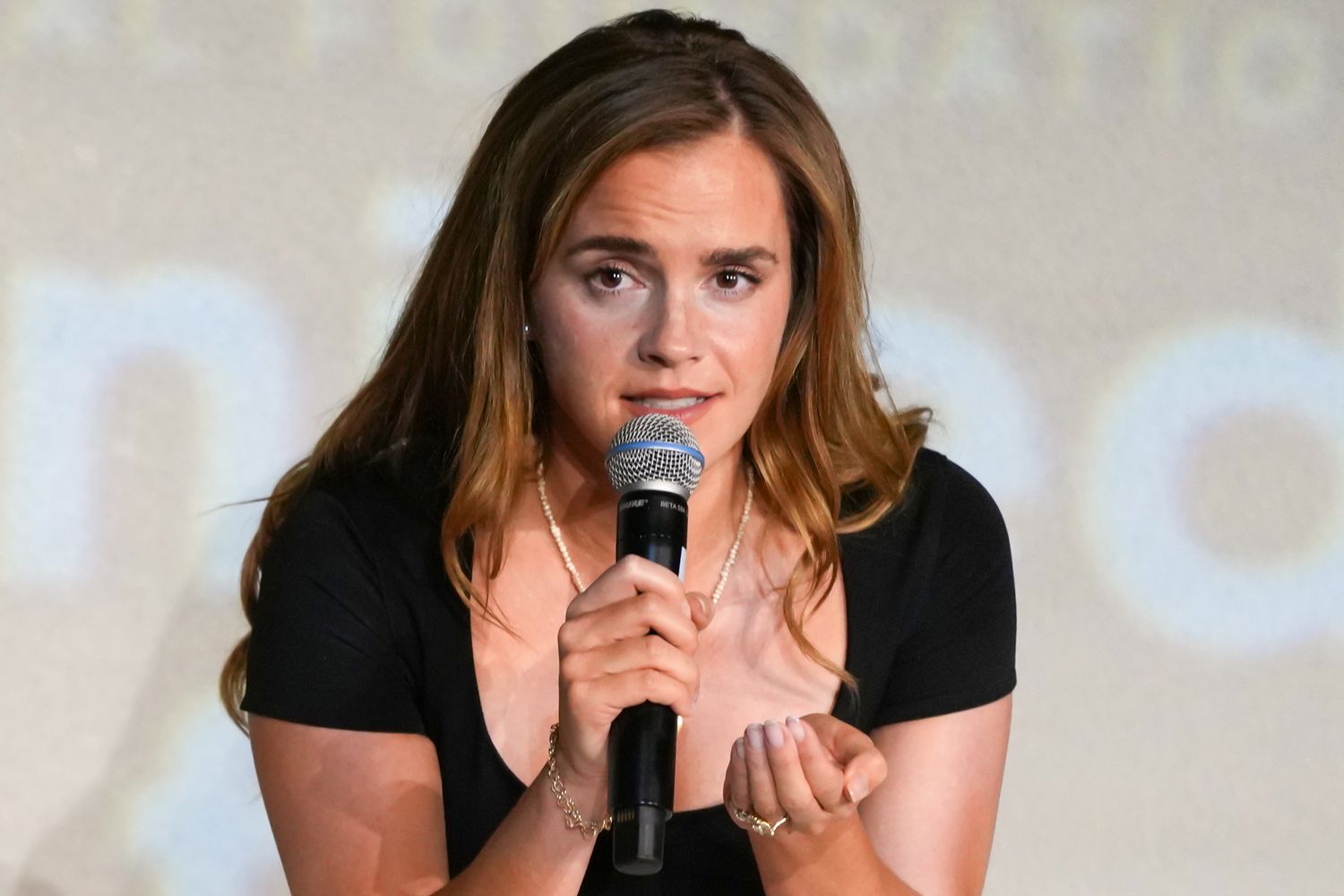
William joined Hollywood stars Emma Watson and Benedict Cumberbatch at a United for Wildlife forum in London, an initiative he launched with the Royal Foundation in 2013. The organization works around the world to combat wildlife trafficking, environmental crime, and the destruction of endangered species.
But it was William's candid admission about his own fears that stole the spotlight.

The Prince of Wales revealed that climate change has caused him "sleepless nights," admitting he has struggled with anxiety about what the future could look like. Yet instead of allowing those fears to overwhelm him, William said seeing real progress through conservation efforts has helped keep his environmental anxiety under control.
He also delivered a powerful message to business leaders, urging them to become the kind of leaders they admired when they were children. With technology and innovation transforming the world at an incredible pace, William challenged CEOs to use their influence to create meaningful change.
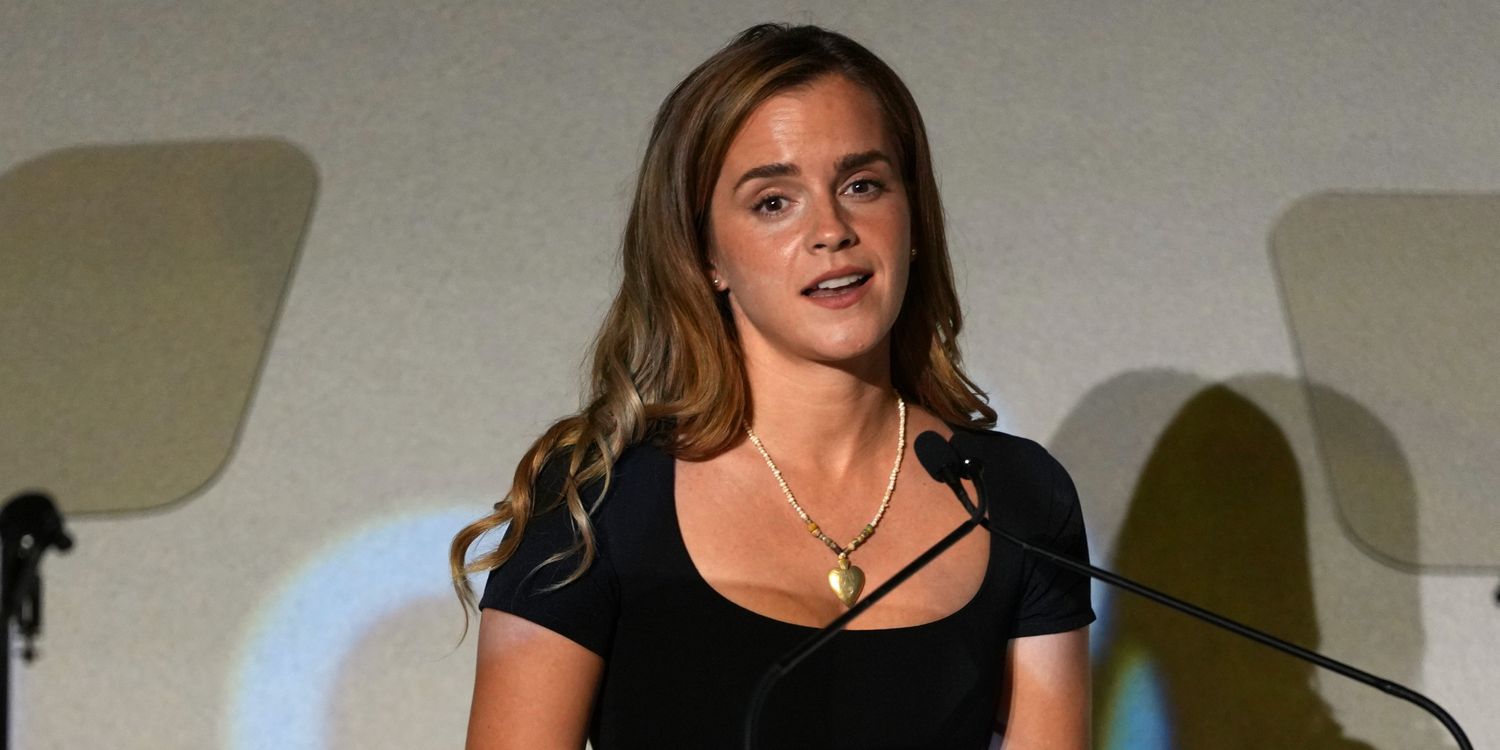
The event launched London Climate Action Week, with more royal appearances expected, including the Earthshot Prize assembly.

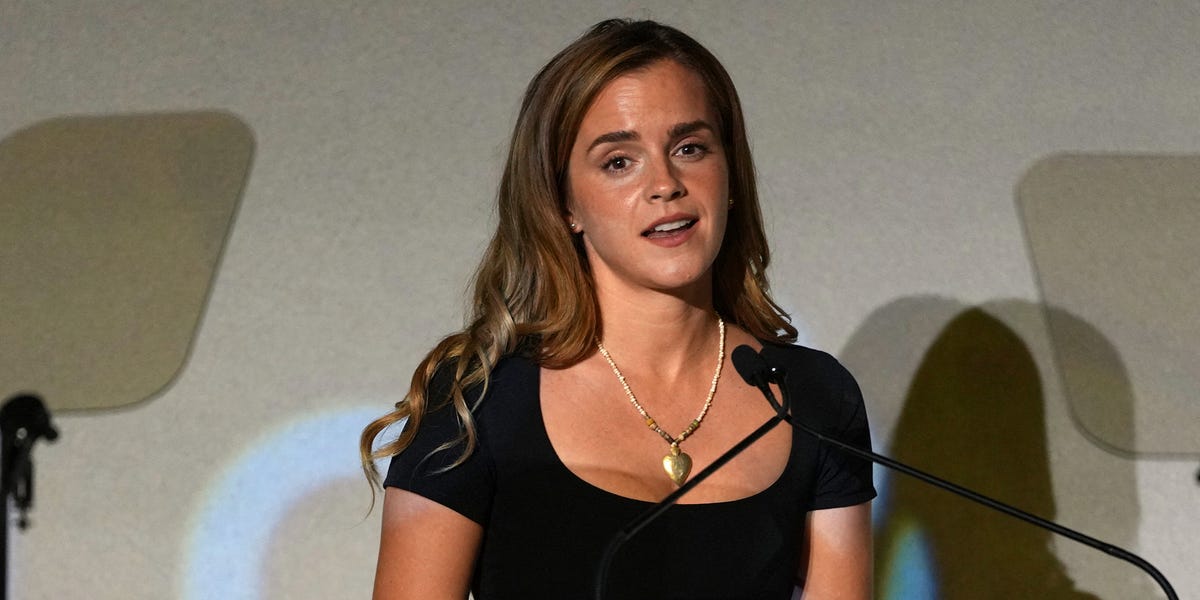
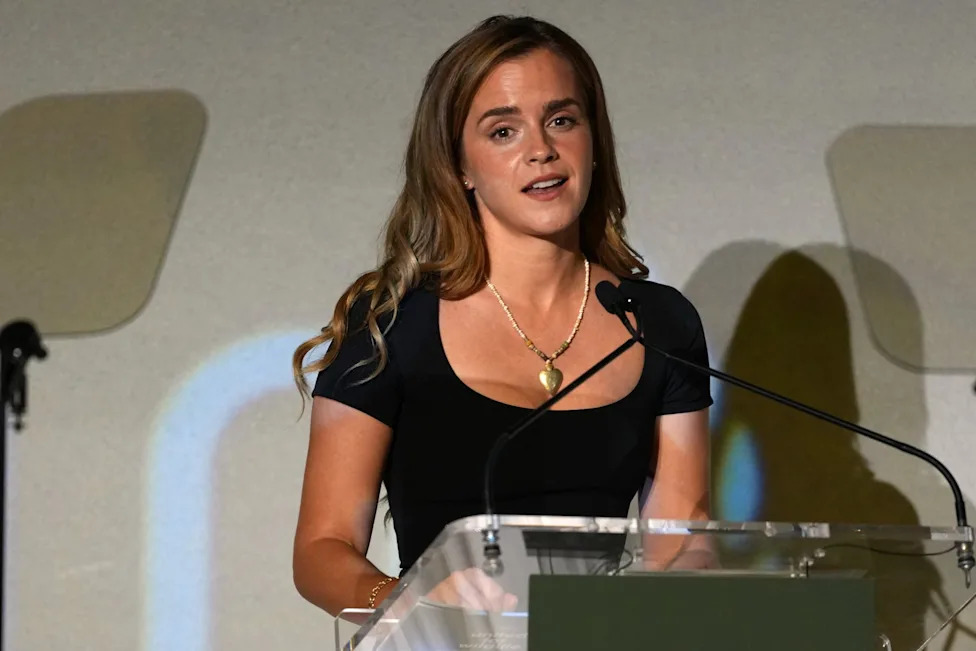
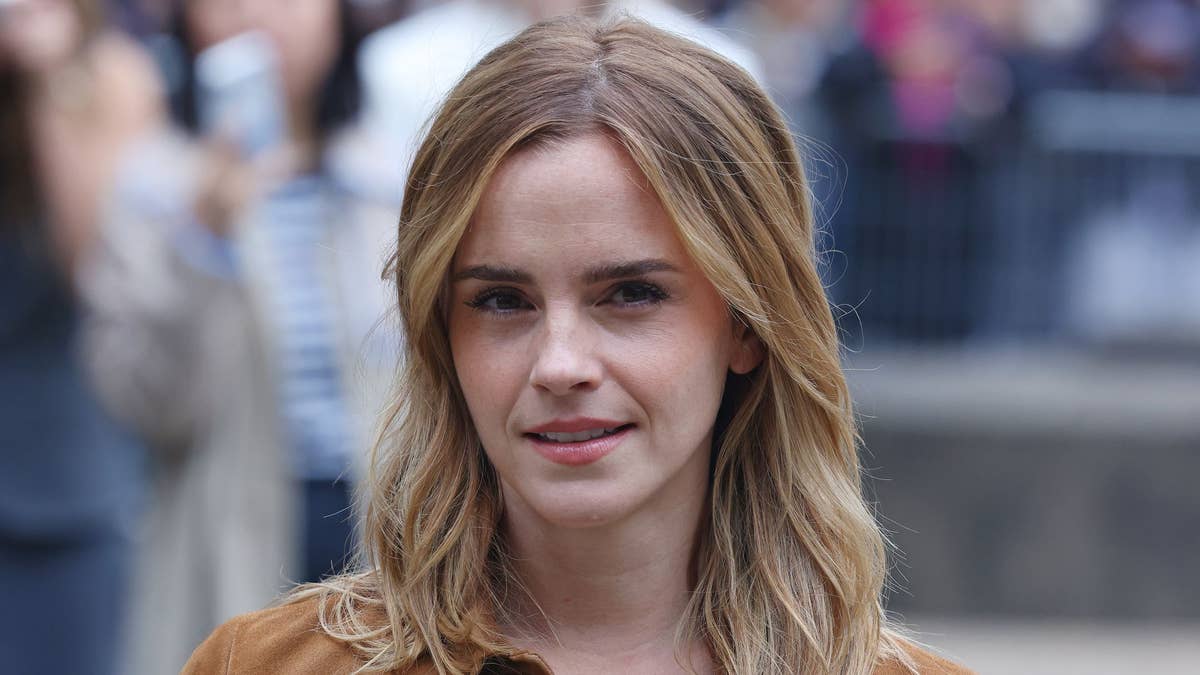
Emma Watson also delivered a surprising revelation of her own. The Harry Potter star highlighted the fashion industry's enormous environmental impact, pointing out that it produces more emissions than aviation and ranks behind only oil among major polluting industries.
Watson, who is also pursuing a doctorate in philosophy at Oxford, shared a hilarious story about mistakenly believing paparazzi were following her. After spotting photographers with telephoto lenses, she arranged a distraction and escaped through another exit. The twist? They weren't photographing her at all. They were waiting to capture a red kite.
Meanwhile, Benedict Cumberbatch praised William as "a great guy" and urged businesses and individuals to recognize that they can still make a difference, even when global environmental challenges appear overwhelming.

With William, Watson, and Cumberbatch joining forces on the issue, the London forum delivered a clear message: the fight against environmental destruction is becoming impossible for the world's biggest names to ignore.
Be the first to comment on this article!