
Eight months before the 2026 midterms, one of Hollywood’s most recognizable figures has offered a blunt assessment of her industry’s political influence. Jennifer Lawrence, known for speaking out on issues from gender equality to democratic norms, now questions whether celebrity activism has any real impact.
In a recent interview, Lawrence stated that “celebrities do not make a difference whatsoever in who people vote for.” This is notable both because of her prominence and because it comes at a time when American politics is deeply intertwined with culture and entertainment. She described the Trump era as a time when she felt she was “running around like a chicken with my head cut off,” trying to use her platform to sound alarms. But after years of backlash, polarization, and the sense that celebrity statements only “add fuel to a fire that’s ripping the country apart,” she’s questioning the value of speaking out.
Her comments prompt a broader question: Has celebrity political influence ended, or has it simply evolved? In today’s political and media environment, celebrity political clout has waned, but its cultural sway lingers in subtler ways that continue to shape public consciousness.
Lawrence’s change in perspective is not a withdrawal from political engagement, but an adjustment. She described the Trump era as a period when she was “running around like a chicken with my head cut off,” using her platform to raise concerns. However, after years of backlash and polarization, and feeling that celebrity statements only “add fuel to a fire that’s ripping the country apart,” she is now reconsidering the value of speaking out.
Two main concerns drive her thinking. She fears that political statements may alienate audiences from the art, causing people to reject films that could “change consciousness or change the world” simply because they disagree with her views. Political scientists support her skepticism, noting that celebrity endorsements “seldom shape voter decisions,” as party identity and major events are more influential. This view is backed up by recent research: a 2022 Pew Research Center survey found that 72 percent of Americans say celebrity endorsements make no difference in their vote, and only 6 percent say they would be more likely to support a candidate endorsed by a celebrity. Likewise, a 2020 Stanford field experiment tracking the effect of celebrity get-out-the-vote appeals during the presidential election reported minimal impact on turnout or voter choice. Lawrence is expressing what many in Hollywood have quietly felt: the risks of speaking out may now outweigh the benefits.
Lawrence’s remarks come at a time when politics and pop culture are more intertwined than ever.
- Taylor Swift’s mere presence at NFL games triggered political commentary and conspiracy theories.
- Musicians like Bad Bunny and Luke Combs have found their performances interpreted through political lenses.
- Comedians, athletes, and influencers routinely become flashpoints in national debates.
Yet Lawrence suggests that while celebrities’ symbolic influence may be increasing, their ability to persuade is diminishing.
This is the paradox of 2026: Celebrities influence culture, but not necessarily voting behavior.
Three factors help explain the shift Lawrence describes:
- Hyper-polarization has solidified voter behavior. Most Americans now vote along party lines, and celebrity endorsements rarely override party loyalty.
- Audiences are increasingly critical of political expression. Lawrence’s concern about alienating viewers is well-founded, as boycotts, online harassment, and politicized fandoms have become common.
- The influencer economy has fragmented public attention. No single celebrity now commands the broad, cross-demographic reach that stars once enjoyed. Influence is now niche rather than national.
In this environment, a celebrity’s political statement may attract headlines but does not necessarily have a political impact.
Her comments reflect a broader cultural fatigue with celebrity political messaging. Voters may be tuning out celebrities not out of dislike, but because polarization has made celebrity persuasion less meaningful. Despite this, the cultural stakes of the 2026 midterms remain high. With trust in institutions low, celebrities still stand out as some of the few figures able to attract widespread attention.
The question is no longer whether a celebrity endorsement will change a vote, but whether celebrity storytelling can still shape the civic imagination.
Lawrence appears to believe the answer is yes, but only if the storytelling is delivered through art rather than social media.
Jennifer Lawrence And Josh Hutcherson Are Returning To The Hunger Games Universe
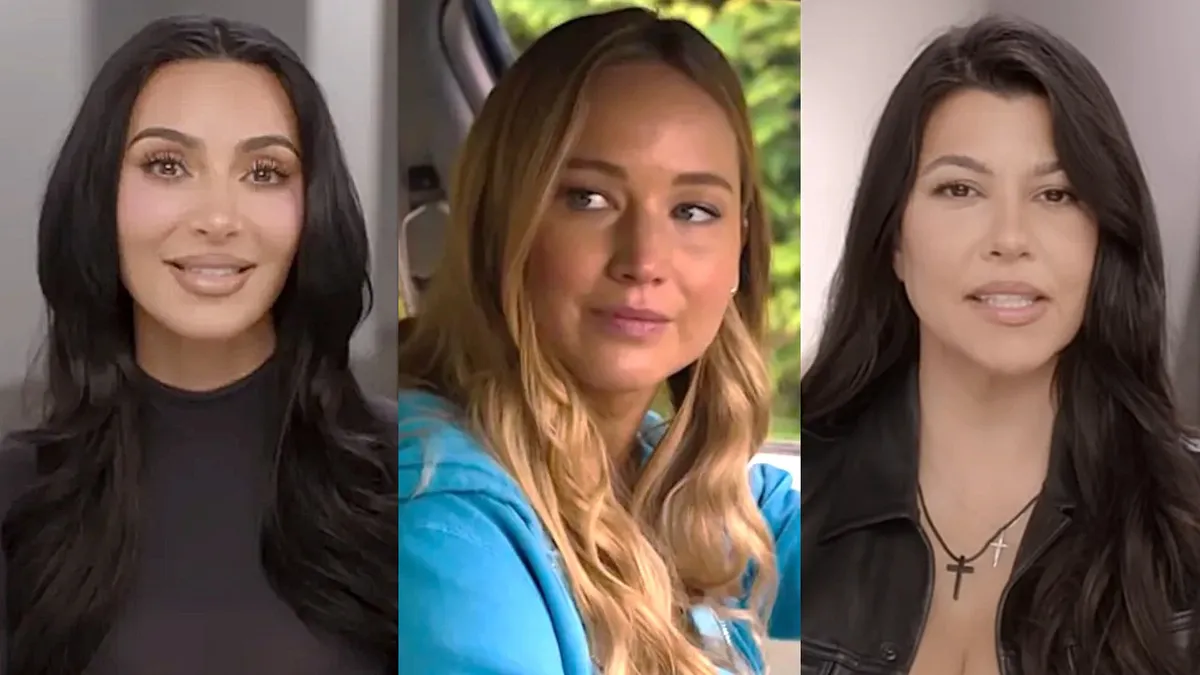
The rumors are true, and months of denials have officially aged like milk. Jennifer Lawrence and Josh Hutcherson are reportedly returning to the world of Panem, reprising their iconic roles as Katniss Everdeen and Peeta Mellark in Lionsgate’s highly anticipated prequel, The Hunger Games: Sunrise on the Reaping.
At first, the idea seemed impossible. The new film takes place decades before Katniss ever volunteered for the Hunger Games, making the return of Lawrence and Hutcherson appear unlikely. However, the filmmakers have reportedly found a clever way to bring the beloved characters back without disrupting the timeline of the original trilogy.
The key is a framing device reportedly taken from Suzanne Collins’ latest novel. The story is expected to feature an older Katniss and Peeta spending time with Haymitch Abernathy as he tells them about the horrifying experience he endured during his own Hunger Games. This approach gives fans an opportunity to see the original characters again while allowing the prequel to remain focused on Haymitch’s story.
The revelation is especially amusing considering Josh Hutcherson’s recent comments about the project. For months, the actor insisted that he knew nothing about the upcoming film and emphasized how much he still loved the franchise. In Hollywood, however, such denials can often mean that a carefully worded confidentiality agreement is keeping the truth under wraps. Fans now have plenty of reason to laugh at those earlier statements.
Sunrise on the Reaping centers on the 50th Hunger Games, known as the Second Quarter Quell. This particular Games was designed to be especially brutal, with twice the usual number of tributes being sent into the arena. The story follows a young Haymitch as he struggles to survive one of the most devastating and psychologically intense Games in Panem’s history.
Bringing Katniss and Peeta into the story through a framing sequence could create an emotional connection between Haymitch’s past and the characters fans have followed since the beginning of the franchise. It also gives Lawrence and Hutcherson a chance to return without changing the events established in the original films.
Fans have already taken to social media to celebrate the reported reunion, with many joking about how successfully the actors managed to keep the secret. The combination of familiar stars, Suzanne Collins’ source material, and director Francis Lawrence returning has created enormous anticipation.
The Hunger Games: Sunrise on the Reaping is scheduled to arrive in theaters on November 20, 2026. Whether Katniss and Peeta appear only briefly or play a more meaningful role remains unclear, but their return could make this new chapter one of the franchise’s biggest cinematic events yet.
Be the first to comment on this article!